




Direct from Global Manufacturer vs. Local Distributor—Cost, Quality & Customization Compared

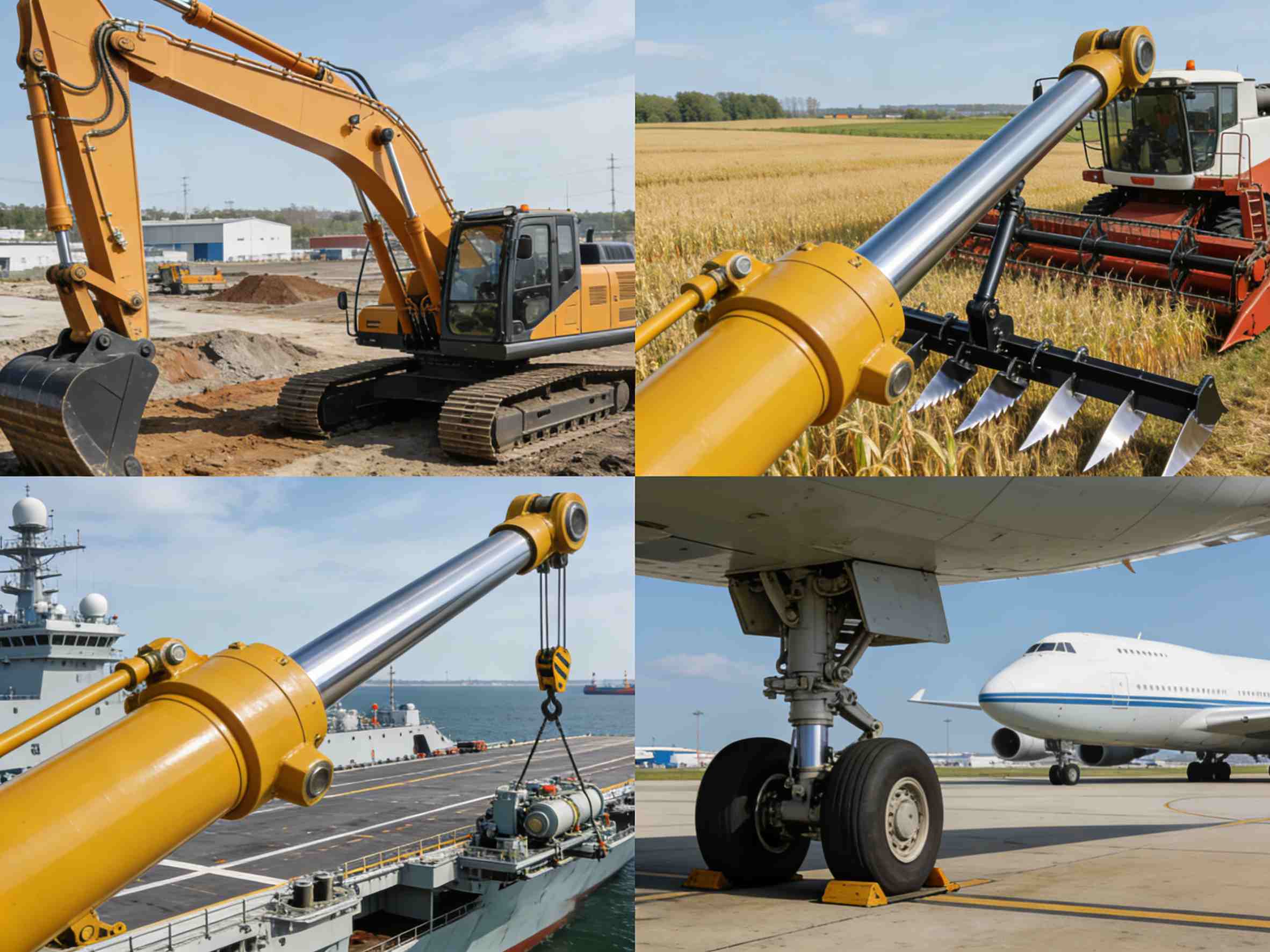
In heavy industries like construction, mining, agriculture, and marine engineering, hydraulic cylinder failure isn’t just inconvenient—it’s expensive. Downtime, delayed projects, and rising maintenance costs can quickly erode profits.
For OEM and equipment manufacturers, choosing the right sourcing strategy is critical. Should you buy directly from a global hydraulic cylinder manufacturer for better pricing and customization? Or rely on local distributors for speed and convenience? This guide breaks down the real differences in cost structure, supply stability, engineering support, and long-term value—helping you make a smarter, data-driven sourcing decision.
Newstar began operations in 1999. The company is in the attractive port town of Yantai. It spans 185,000 square meters and possesses total assets amounting to 740 million yuan. Over the passing years, we have grown into a dependable player in hydraulic cylinder production. This growth stems from mixing modern manufacturing methods with firm research and development skills. Our goods are used in frequent applications in construction machinery, aerial work platforms, marine construction, mining, and aerospace. We supply customers in more than 30 nations.
Direct Sourcing from Global Manufacturers
Advantages of Direct Sourcing
Buying straight from an international producer such as Newstar brings several useful gains. The first one involves gaining entry to focused tailoring services. OEM customers commonly seek hydraulic solutions shaped to exact weight handling or site conditions. Our committed R&D unit, made up of 45 engineers, employs current design equipment. Through this, we supply shaped hydraulic cylinders that match a range of technical specs. These go from linear cylinders suited for automation frameworks to servo cylinders fit for accurate handling tasks.
A further key upside lies in price competition. Removing seller add-ons lets purchasers tap into plant-based price setups. This way cuts down on acquisition expenses. It also grants a firmer hold on quality measures and shipment periods. Improved talk routes add strength to this connection. Direct teamwork allows quicker return paths for design tweaks or output news, which boosts reaction times across the project span.
Newstar’s Global Manufacturing Presence
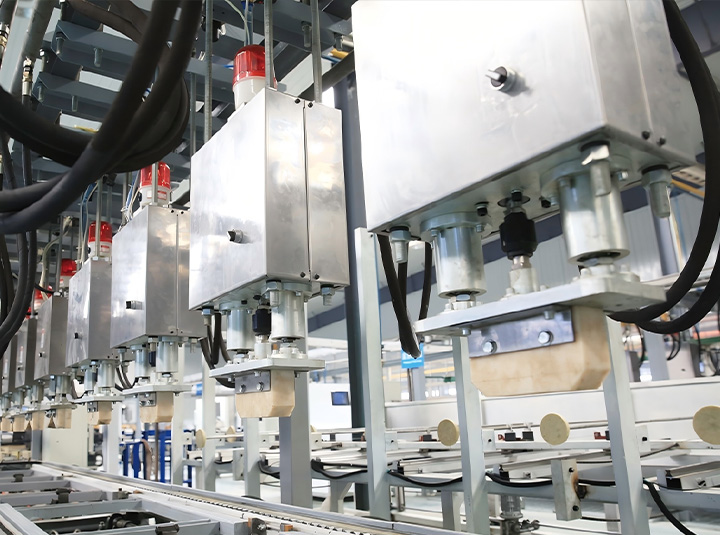
We run production centers in Yantai and Linyi in Shandong province. These spots handle supply demands from around the world. This two-area production plan gives leeway to global buyers who want steady supply lines during changing market states or delivery obstacles. Our plants blend smart putting-together lines. They come fitted with PLC control setups and servo pump points. These tools support good energy handling while keeping up solid accuracy marks.
Newstar has set up a wide-reaching international client web. We build this on long-held field knowledge and standout product standards. Ties reach through Asia, Europe, the Americas, and the Middle East. It further permits us to deliver area-based technical aid, supported by overall production muscle. Such a feature sets us apart from OEM customers who work over several landmasses.
Local Distributors: Pros and Cons
Benefits of Local Distributors
Nearby sellers present some upsides that draw in local purchasers or those running on a smaller scale. Their nearness permits faster handovers and trimmed-down transport waits. This counts as a major point in dealing with pressing upkeep or swap demands. On top of that, nearby sellers generally keep solid links within their trade zones. They grasp local laws and can lend a hand with prompt order completion or follow-up service planning in their patch.
Challenges with Local Distributors
That said, these gains frequently carry an expense. Dealing via middle parties might result in more expensive goods because of extra fees that cover storage and spread costs. What’s more, shaping choices often stay confined. Sellers lean on usual stock rather than custom-made products. Talk routes can run slower as well. Technical input needs to travel through various levels before getting to the producer. This might hold back project plans or add knots to engineering shifts.
Comparing Direct vs Local Sourcing
Cost Considerations
As we weigh cost effectiveness between straight buying and nearby seller patterns, price differences typically lean toward direct buys from producers like Newstar. When linking up with us, customers pick up clear looks at supply expenses, making schedules, and transport outlining. These parts add to savings down the line for hefty order runs or lasting supply pacts. Plus, our scale gains from varied-site output aid in holding steady price firmness even amid shifts in raw supply prices.
Service and Support Differences
Service level marks yet another spot where straight buying takes the lead. Newstar holds firm command over the complete span of goods. We supply worldwide 7×24 urgent reply with engineers placed on-site. This setup brings instant technical help as soon as it’s needed. Sellers, held back by clock zones or slim staff, seldom keep pace with this speed. Besides, our ISO/TS 16949-approved quality handling framework promises that each cylinder undergoes strict review through the manufacturing process. This covers from checking raw supplies to the end trials with smart checkpoints that hold pressure to 0.5%. These steps bring about dependability that aids final users who count on unbroken machine runtime.
Conclusion
Newstar draws from many years of field experience and fine goods standards to form a broad international client base. We do this with the aid of a sturdy R&D unit, current-making tools, and ISO-backed quality checks. These qualities place us as a favored teammate for OEM after strong hydraulic fixes that match shifting field calls.
Looking to reduce procurement costs while improving equipment reliability? Partner directly with an experienced global hydraulic cylinder manufacturer that combines advanced R&D, multi-site production capacity, and strict quality control. Contact us today to discuss your project requirements and discover how customized hydraulic solutions can enhance your equipment performance and long-term operational efficiency.
FAQ
Q: Is it cheaper to buy hydraulic cylinders directly from a manufacturer?
A: Yes, direct sourcing often reduces overall costs by eliminating distributor markups. Buyers gain factory pricing, better control over production schedules, and long-term cost stability—especially for bulk orders or customized hydraulic cylinder solutions.
Q: What are the advantages of custom hydraulic cylinders for OEM?
A: Custom hydraulic cylinders ensure precise load capacity, stroke length, and environmental compatibility. For OEM in construction, mining, or agriculture, tailored solutions improve equipment performance, reduce downtime, and extend service life.
Q: What should I consider when choosing a hydraulic cylinder supplier?
A: Key factors include manufacturing capability, R&D strength, quality certifications, global supply capacity, response time, and customization options. Evaluating total lifecycle cost—not just unit price—is essential for long-term operational efficiency.