




Excavator Arm Cylinder Guide: Built to Dig Stronger
While an excavator seems strong in appearance, it is dependent on the precision of hydraulic movement for its functionality. For each task undertaken by the excavator, the arm has to function perfectly in varying loads and harsh environments. Newstar provides superior hydraulic and servo cylinders for construction equipment, aerial work platforms, shipbuilding, heavy industries, mining, and aerospace. This article discusses the role of the excavator arm cylinder.
What Is an Excavator Arm Cylinder?
Location and Core Function
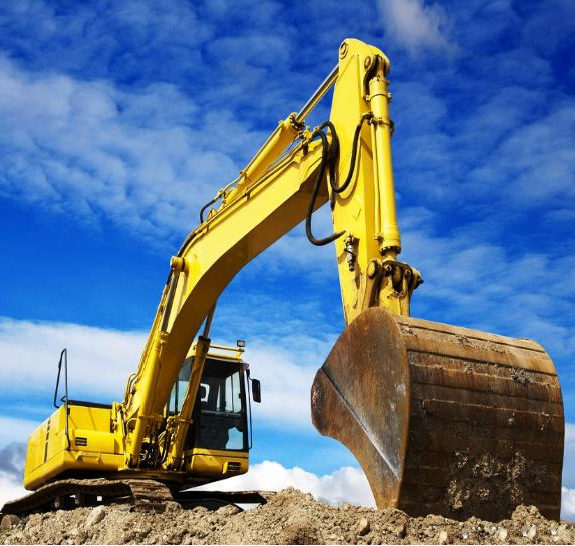
The arm cylinder is one of the crucial hydraulic components in the digger’s working equipment. The workers fit it on the digger between the main boom and arm. The arm itself is attached to the bucket. The primary role of this component is to extend or retract the arm. In this way, it determines the digging distance, span, and loading movements.
The arm cylinder operates continuously while performing routine digging operations. On the one hand, it should be operated with extreme precision during grading. On the other hand, it has to generate substantial forces for digging tough soils and lifting bulky loads. Consistent cylinder performance significantly influences the cycle speed and handling.
How Hydraulic Motion Works
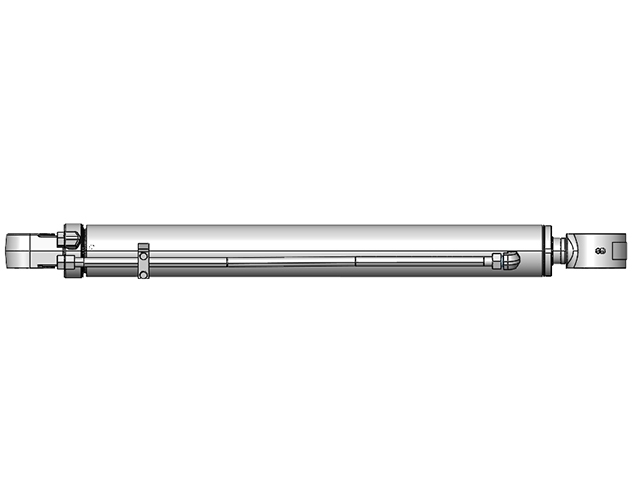
Pressure fluid enters the cylinder through one end. Pressure fluid works on the piston. This results in rectilinear motion. Consequently, the piston rod either moves forward or backward. Pressure fluid present at the other end goes back to the hydraulic system.
The design and performance of the part depend on the cylinder bore, piston rod diameter, system pressure, and stroke. A larger cylinder bore means higher power output at the same pressure. The diameter of the piston rod affects the strength of the frame and pullout force. Stroke is responsible for the maximum movement of the arm. However, it should fit the digger’s joint geometry.
Arm, Boom, and Bucket Differences
Different Positions and Movements
A traditional excavator is made up of boom cylinder, arm cylinder, and bucket cylinder. The boom cylinder operates to raise and lower the boom. The arm cylinder works to move the arm closer or farther from the main machine.
These parts rely on similar hydraulic rules. Still, you cannot swap them around. Each spot needs unique mounting sizes. They also require different stroke lengths, power levels, and motion traits.
Different Loads and Duty Cycles
The boom cylinder holds up the boom. It also carries the weight held by the working gear. The arm cylinder constantly manages digging reach and pulling motions. The bucket cylinder works very close to the dirt or rock. Because of this, it might face rapid cycles and harsh outside hits.
Therefore, you must pick the right cylinder for its true spot. You should never choose one just by how it looks or its basic pressure rating.
Key Selection Factors
Bore, Rod, and Stroke
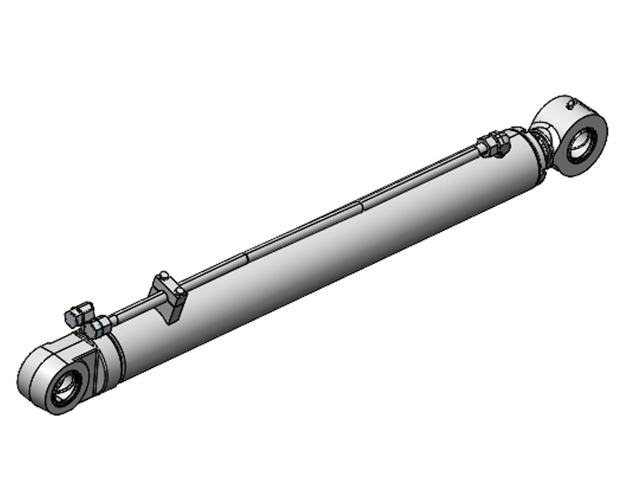
The Newstar Arm Cylinder features a bore span of 60 to 150 mm. It has a piston rod span of 35 to 105 mm. The stroke length falls between 300 and 1,800 mm. Its stated total length spans from 500 to 2,000 mm. These sizes allow the item to fit many equipment shapes and working needs.
The bore dictates force output. At the same time, the rod size impacts toughness and bending resistance. The stroke needs to match the machine’s required arm travel. A cylinder with the wrong stroke could limit the working span. It might also clash with the metal joints.
Pressure and Digging Force
The Newstar Arm Cylinder runs within a stated pressure span of 21 to 28 MPa. It can deliver a peak push of up to 50 tons. This depends on its exact setup. Shoppers should never pick a cylinder based on peak push alone. You must also think about joint angles, system pressure, and working slants. Load direction and safety rules are vital too.
Running a cylinder beyond its planned pressure or weight limits is bad. It can cut seal life short. It can ruin inner parts. It also creates dangerous working settings.
Mounting and Machine Compatibility
Crucial sizes include the closed length and the open length. You also need the stroke, pin size, and mounting width. Port spots and connection styles matter too. The machine brand and model are helpful details. Yet, they might not be enough since equipment setups can change.
For swapping parts or custom builds, buyers should share a current blueprint. A physical sample, clear photos, or checked sizes work well too. The machine serial number and current part number also help verify the fit.
Operating Environment and Duty Cycle
Digger cylinders often run in dirt, mud, and wet spots. They face rocks and shifting weather. Mining, wrecking, and big building jobs are harsh. They might expose the piston rod and seals to very tough conditions.
Choosing a part should factor in daily working hours and cycle speeds. Dirt levels, heat, rust risks, and expected side weights matter.
Newstar Arm Cylinder Advantages
Heavy-Duty Performance
The Newstar Arm Cylinder is built for steady running and heavy loads. It offers exact motion and a neat, tight frame. Beyond diggers, its listed uses include dozers and rotary drills. This shows it fits well with heavy earth-moving gear. Such machines need trusted pushing power in tough spots.
OEM and Custom Engineering
We know that hydraulic cylinders often fit very specific tasks. Newstar runs a focused research and design center. We have a skilled tech group. They can build tailored units based on distinct client needs.
Started in 1999, Newstar employs over 330 workers. This includes 45 research and design staff. Our factory skills cover standard hydraulic cylinders and servo cylinders. We also make many kinds of custom-built gears.
Materials and Surface Protection
A cylinder’s lifespan relies on seal quality and rod health. Outer coatings, metal grades, and dirt blocks also matter. Newstar’s broad factory skills include using foreign Parker and Simrit seals. We also use a special, highly rust-proof, crack-free chrome finish.
SGS has checked our plating methods. The shared results show a hardness above 950 HV. The neutral salt spray defense lasts over 500 hours. The coating thickness stays between 50 and 60 microns. These skills help us fix problems in jobs where rust and outer wear are big worries.
Testing and Quality Control
Workers should check a cylinder before it goes into active use. Newstar’s smart testing unit uses servo motors and sensors. It features closed-loop tracking. It can check starting pressure, stroke length, and inside leaks. It also tests outside leaks and holding pressure. The stated pressure-control accuracy stays within 0.5%.
Our quality steps cover raw material checks and factory floor tracking. We also inspect finished goods. We use standard quality tools as well. These include APQP, PPAP, FMEA, SPC, and MSA.
Failure Signs and Maintenance
Leaks, Drift, and Power Loss
Seeing oil around the rod or cap might point to worn seals. It could mean rod damage or dirt buildup. An internal leak can make the arm drift under a heavy weight. This happens even when there is no outside oil drip. Sluggish motion or weak digging power are bad signs. Shaking, strange noises, and very hot cylinders also point to trouble.
A scratched, dented, or warped rod can ruin new seals very fast. Worn pins, loose bushings, or crooked mounting spots are harmful. They can cause side pushing and speed up cylinder wear.
Preventive Maintenance Practices
Maintain cleanliness of hydraulic fluid. Use only that type of fluid which is recommended by manufacturer for your machine. The rod face, seals, hose lines, pins, bushing and mounting points should be checked from time to time. Remove accumulated dirt without damaging the plating of the rod.
You must never check or unplug a fluid line under pressure. Before doing fix-up work, lower the front tool safely. Turn off the machine. Let out any stored hydraulic pressure. Always follow the equipment maker’s safety rules.
Repair or Replacement?
When Repair Is Practical
Fixing a unit might save money. This is true when the cylinder tube, piston rod, and mounting loops stay in good shape. Normal repair work might include swapping seals or smoothing the tube. It can involve fixing the rod finish or changing single inner parts. Workers should clean, put together, and pressure-test the rebuilt cylinder properly.
When Replacement Is Better
In some instances, it may be sensible to buy a new part. This is when the rod is severely bent, while the tube has deep scratches. In addition, cracks on the mounting points and frequent repair failures are indicators that a new one needs to be bought.
Conclusion
The right excavator arm cylinder must blend proper sizes and strong pushing power. It needs the right pressure limits and exact mounting shapes. Good metals and strict testing are vital too. Careful selection prevents fitting problems. At the same time, routine upkeep cuts down on leaks and sudden stops. Through smart design, precise manufacturing, and tough coatings, Newstar works hard. We aim to supply trusted hydraulic parts for harsh earth-moving tasks.
Reach out to Newstar today. We can talk about an OEM or custom excavator arm cylinder. We will design it around your machine, job site conditions, and working goals.
FAQ
Q: What is the main job of an excavator arm cylinder?
A: It pushes out and pulls in the digger arm. This action handles the digging reach, pulling motions, and dirt moving. It also sets the bucket position.
Q: How do arm and boom cylinders differ?
A: The boom cylinder lifts or drops the main boom. The arm cylinder shifts the second arm part toward or away from the base machine.
Q: What causes an excavator arm cylinder to drift?
A: Likely reasons include inner piston-seal leaks or control-valve drips. Broken load-holding parts, dirty fluid, or heavy inside wear can also cause this.
Previous: None
Next: Boom Lift Hydraulic Cylinders: Types & Selection Guide