




How to Choose a Reliable Hydraulic Products Supplier
Picking the right hydraulic products is a major choice for equipment builders, system integrators, and industrial buyers. The working performance of a hydraulic cylinder or actuator directly impacts equipment safety. It also affects running efficiency, upkeep costs, and overall service life. Because of this, finding a dependable hydraulics supplier involves much more than just looking at unit prices.
A good supplier needs to offer proper product design and steady manufacturing quality. They must also provide solid testing, application help, and quick after-sales service. Buyers need to check if the vendor has real-world experience in their specific industry. The vendor must be able to tailor products for exact working conditions.
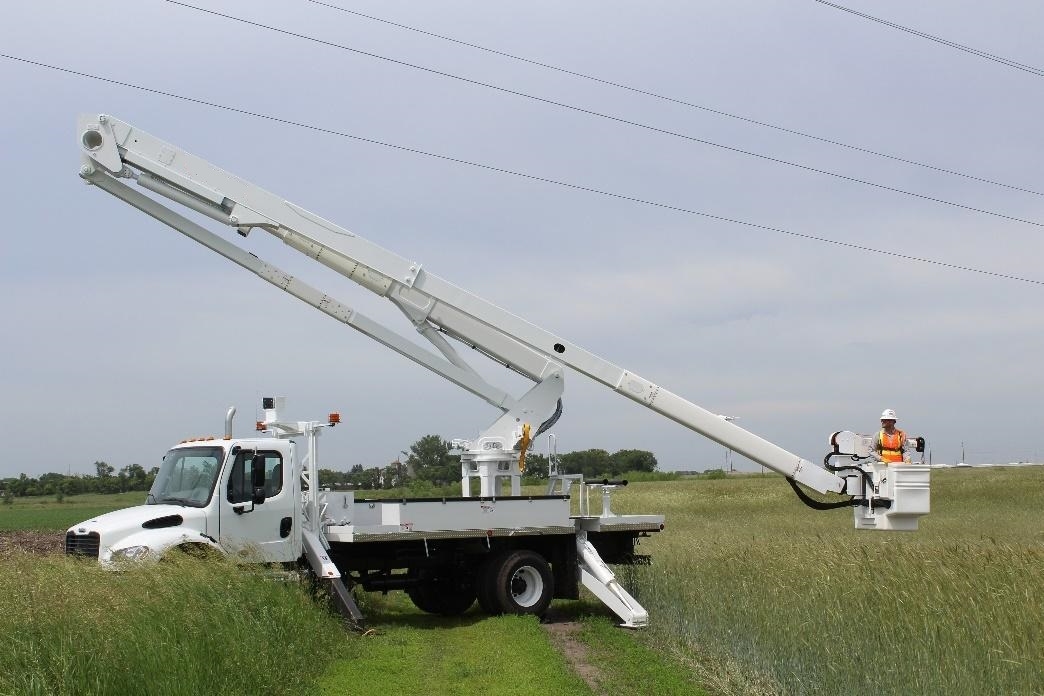
At Newstar, we concentrate on the research, creation, and building of hydraulic cylinders, servo cylinders, and different non-standard equipment. Our goods are utilized in construction machinery and aerial work platforms. They also serve marine construction, ocean vessels, mining, aerospace, and other tough applications.
Define the Application Requirements First
Before reaching out to a hydraulics supplier, buyers must map out the running needs of the machinery. You cannot judge a hydraulic product correctly without knowing its work setting and load demands.
Crucial technical details include:
- Rated and peak working pressure
- Required stroke length
- Bore and rod diameter
- Load direction and loading frequency
- Operating temperature
- Required movement speed
- Installation space
- Corrosive substances or outdoor exposure
- Expected service life
- Maintenance and replacement requirements
For instance, a cylinder placed on an aerial work platform might need precise movement. It also needs small sizes and great dependability. Meanwhile, a cylinder built for mining gear might demand tougher defense against hits, dirt, shaking, and rust. Marine machinery might need better shielding from wetness and saltwater contact.
An expert hydraulics supplier should look over these working situations. Then, they can suggest a fitting structure, material, sealing setup, and surface finish, rather than just handing over a basic item.

Evaluate the Product Design and Materials
The worth of a hydraulic product starts with its engineering layout. The cylinder tube, piston rod, piston, seals, guide parts, and connection setup must function smoothly together under the given pressure and weight.
Buyers ought to ask the vendor how they select materials and check structural toughness. Main questions include:
- Are the materials suitable for the required working pressure?
- Is the piston rod surface treatment appropriate for the environment?
- Are the seals compatible with the operating temperature and hydraulic medium?
- Has the design been evaluated for fatigue and repeated movement?
- Can the supplier provide engineering drawings and technical data?
Seals matter a lot since seal breakdown can cause inside leaks, outside leaks, pressure drops, and machine stops. Newstar notes the use of imported Parker and Simrit seals. These help boost toughness against pressure and heat.
Surface finish is another big point to think about. In jobs dealing with water, dampness, dirt, chemicals, or salt, a basic coating might fail to provide enough protection. Newstar has created a highly rust-proof chrome-plating method. Based on their quality assurance data, the plating has a hardness of over 950 HV. It has a thickness of 50–60 microns. Also, its neutral salt spray resistance goes beyond 500 hours.
These fine points help buyers much more than a broad claim that an item is “high quality.” They offer clear numbers that buyers can weigh during vendor checks.
Confirm Whether the Supplier Can Support Customization
Many factory jobs cannot be handled well by ready-made hydraulic goods. Machine makers might need special mounting setups, unique sizes, or specific stroke lengths. They might also want built-in sensors, tailored connection ports, or extra rust protection.
When checking a hydraulics supplier, buyers should find out if the vendor features:
- A dedicated research and development team
- Product design and simulation capabilities
- Experience with non-standard hydraulic equipment
- Prototype development and testing capabilities
- Engineering support during installation and commissioning
- The ability to modify products for different operating environments
Newstar is deeply dedicated to creating and building hydraulic cylinders, servo cylinders, and different non-standard equipment. Its listed product lineup features Linear Cylinder, Tension Cylinder, Servo Cylinder, Self-Locking Cylinder, Oil Cylinder Actuator, Anchor Thruster, Suspension Cylinder, Electroplating Piston Rod, and Electroplating Environmental Protection Equipment.
The precise product choice must rely on the machine layout and working conditions. Buyers should hand over technical sketches, load details, work cycles, setup needs, and setting facts. This way, the vendor can build a proper solution.
Examine the Manufacturing and Testing Process
A vendor’s production methods directly steer product reliability. Even a smartly planned hydraulic cylinder can break if cutting precision, welding quality, assembly neatness, or testing steps are poorly managed.
A trustworthy maker must be ready to detail how it handles:
- Tube processing
- Piston rod machining
- Welding and friction welding
- Assembly cleanliness
- Seal installation
- Dimensional inspection
- Pressure testing
- Leakage testing
- Final product inspection
Newstar’s quality control setup features multi-length tube processing lines and a smart assembly line. It also includes a smart test station, friction welding gear, and an eco-plating line. Its smart test station utilizes servo motors and sensors with closed-loop control. This setup tests breakaway pressure, stroke, inside leaks, outside leaks, and proof pressure. The stated pressure control accuracy stays within 0.5%.
This kind of testing matters because simple visual checks cannot spot every performance flaw. Inside leaks, too much rubbing, low proof pressure, or uneven stroke actions might only show up during active testing.
Buyers ought to ask if test facts can be saved and linked back to single goods or groups. Tracking helps makers spot the root of quality faults. It also aids faster upkeep and warranty sorting.
Review the Supplier’s Quality Management System
A quality management system gives the framework for steering product quality throughout the making phase. Buyers should see if the vendor holds a known quality management system. They should also check if the vendor uses written steps for incoming materials, building, testing, and final checks.
Newstar notes that it meets the IATF 16949 quality management system. It uses five quality tools: APQP, PPAP, FMEA, SPC, and MSA. Its quality control flow starts with incoming material checks. It moves through production and wraps up with finished product checks.
For factory buyers, these steps offer solid proof of strictness. They also help ensure that product quality stays steady when orders shift from sample amounts to big production runs.
A vendor must be able to show the required quality papers when asked. These include check reports, material proofs, test outcomes, process logs, and product details. The exact papers will rely on the job and the buyer’s quality needs.
Consider Industry Experience and Product Application
A hydraulic product must be judged within the frame of its job. A vendor with a background in heavy machines might grasp load hits, working rounds, setup limits, and setting risks better than a vendor that just makes basic parts.
Newstar’s goods serve in construction machinery, aerial work platforms, shipbuilding, and heavy industry. They also work in mining, aerospace, and other fields. From 2009, we supplied over 200,000 cylinders to big names like JLG, Genie, Skyjack and Snorkel. No mishap ever came from part breakdowns.
This kind of background proves handy when picking goods for tough jobs. Buyers can ask the vendor if they have built similar items or fixed similar technical snags. They can also ask if the vendor has backed machines running in matching conditions.
Compare Total Cost Rather Than Purchase Price Alone
The cheapest quote is not always the smartest pick. A hydraulic item with a lower starting cost might bring a shorter service life or higher leak risks. It might also need more frequent fixes or hold a bigger chance of causing machine stops.
A more useful check should weigh:
- Product purchase price
- Expected service life
- Maintenance frequency
- Replacement part availability
- Failure and downtime risks
- Technical support
- Delivery reliability
- Warranty terms
- Product customization costs
Newstar offers lifecycle-focused help. It notes that it provides global 7×24 urgent response with on-site engineers. For buyers of key machines, tech help and fast response act as major parts in lowering running risks.
Choose a Supplier with Long-Term Manufacturing Capability
A solid hydraulics supplier must be able to back the whole product life span. This ranges from design and sample building to production, shipping, upkeep, and technical upgrades.
Newstar started in 1999. It has production bases in Yantai and Linyi, Shandong. The business has over 330 workers, including 45 folks in its research and development group. It runs modern manufacturing equipment, automated assembly lines, and precise testing tools.
For buyers wanting a long-term making partner, these traits matter because hydraulic goods often need ongoing technical talks. Product details might shift as machine layouts upgrade, rules change, or working conditions get tougher.

Conclusion
Picking quality hydraulic goods demands a careful check of product design, materials, sealing setups, and surface finishes. It also requires looking at making steps, testing, quality control, industry background, and after-sales help.
A trusty hydraulics supplier must offer more than just a product book and a price quote. The vendor must grasp the job and offer technically fitting fixes. They need to maintain steady production value and stay reachable across the product life span.
At Newstar, we blend hydraulic product creation, non-standard equipment making, exact testing, quality control, and field background. This helps buyers in construction machinery, aerial work platforms, marine setups, mining, aerospace, and other factory zones. Buyers looking for a tailored hydraulic fix should share their technical needs. They should team up with a seasoned vendor to find the best product shape and performance details. Contact Newstar to learn more!
FAQ
Q: What should I look for when choosing a hydraulics supplier?
A: Check the vendor’s manufacturing background, product design skills, material selection, and quality management system. Also look at their testing process, customization skills, delivery record, and after-sales support. The vendor must have experience in the industry and working settings linked to your machines.
Q: How can I determine whether a hydraulic cylinder is high quality?
A: Look over the cylinder’s material facts, seal picks, rated pressure, and surface finish. Check cutting exactness, leak limits, proof pressure, and check logs. A solid maker must be ready to offer clear technical facts and written testing steps.
Q: Does Newstar provide customized hydraulic cylinders?
A: Newstar creates and builds hydraulic cylinders, servo cylinders, and various non-standard equipment. Custom work can be planned based on the buyer’s load needs, stroke, setup sizes, working settings, and machine layout.
Q: Which industries use Newstar hydraulic products?
A: Newstar goods are used in construction machinery, aerial work platforms, marine construction, ocean vessels, mining, aerospace, and other factory uses. The product groups also span farm machines, city service trucks, and special gear.
Q: Why is surface treatment important for hydraulic cylinders?
A: The piston rod faces rubbing, dampness, dirt, and outside grime during work. A proper rust-proof surface finish boosts wear resistance and helps maintain sealing strength. The needed finish must be picked based on the work setting and service conditions.