




How to Choose the Right Boom Cylinder for Excavators
An excavator or aerial work platform might possess a solid powertrain, yet its boom performance relies heavily on the hydraulic system. Selecting the proper hydraulic actuators is vital. If a cylinder is mismatched, the machine will likely show poor performance or become unstable. It may also require frequent repairs. At Newstar, we manufacture hydraulic cylinders designed for demanding machine tasks. This guide helps you pick the right Newstar Boom Cylinder. We will look at the machine type, load needs, hydraulic setup, installation site, and quality standards. These applications generally focus on excavators and log grabber machines.
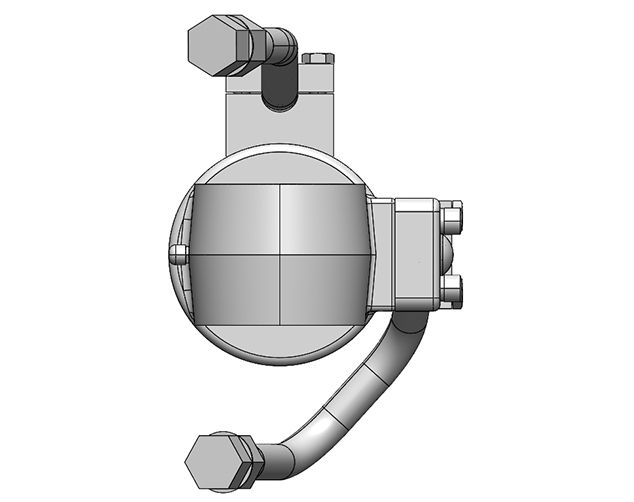
Why Proper Selection Matters
Improve Lifting Performance
The function of the boom cylinder is to convert hydraulic energy into linear power. This allows for the raising and lowering of the excavator’s boom. The performance of the operation defines the height of the work performed and the trajectory of movement of the bucket. An optimal choice of the Newstar Boom Cylinder guarantees a compromise between power and speed. If the cylinder is undersized, it will have difficulty coping with heavy weights. In turn, an oversized cylinder means additional weight and excessive consumption of oil.
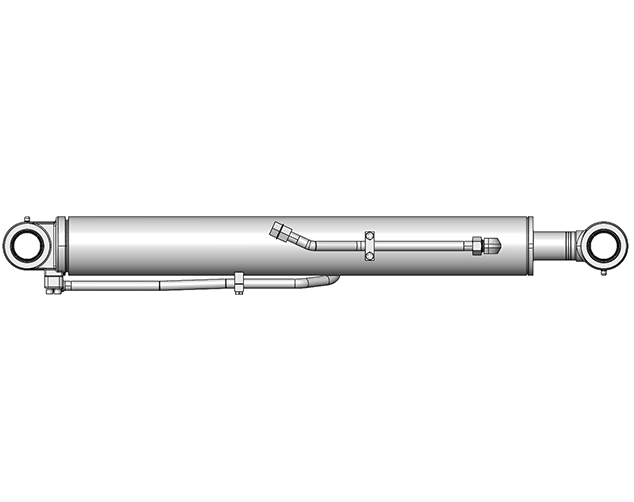
Increase Operating Safety
Consistent boom movement is very important when lifting heavy loads over an entire arm length. Things such as the bore, rod, and pressure play a role in your ability to regulate force. Newstar Boom Cylinder has been designed with a small size and high energy density. It has cushioning and good quality.
Reduce Maintenance Costs
Issues like leaks, jerky movements, or seal wear lead to expensive downtime. When choosing a part, you should look beyond just the price or length. Consider the working environment and how clean the oil stays. Regular inspections and high installation quality are also key to keeping costs low.
Define Equipment Requirements
Analyze Excavator Conditions
Consider first your excavator’s particular design and boom design. Consider the operating weight of your excavator along with the kind of attachment that you want to mount. The connection of the boom to the chassis influences how it should be mounted as well as its movement range. Different attachments such as the bucket or breaker cause different shock loads. As a result, the Newstar Boom Cylinder should match your configuration perfectly.
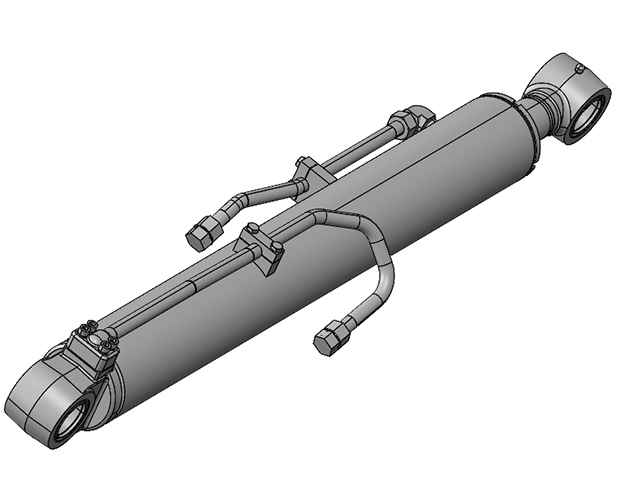
Evaluate Boom Lift Needs
Boom lifts need very precise positioning and stable movement when working high up. Their load paths often differ from those of standard excavators. Newstar lists specific cylinders for excavators and log grabbers on our product pages. If you have a boom lift project, please share your drawings and load data. We can then check if a standard Newstar Boom Cylinder works or if you need a custom-made solution.
Confirm Load Requirements
Think about the weight of the attachment and the resistance you face while digging. You must also account for the working angle and the highest hydraulic pressure used. Providing accurate data helps Newstar decide if your needs fit our standard range or if a special configuration is required.
Check Key Specifications
Select the Correct Bore Size
The bore diameter determines how much force is created at a specific pressure level. The Newstar Boom Cylinder comes in a bore range from 60 to 200 mm. While a larger bore offers more power, it also takes up more space and uses more oil. You should pick a bore size that matches your pump capacity and the space available on your machine.
Match Rod Diameter
The piston rod has to handle heavy tension and bending forces. Newstar provides a rod range from 35 to 110 mm for this Boom Cylinder. It is important to match the rod diameter with the stroke length. If the stroke is very long, a thin rod might buckle. Simply picking the thickest rod is not always the best answer; it must be balanced with the alignment of the machine.
Confirm Stroke, Overall Length, and Pressure
Our standard specs show a stroke range of 500–1400 mm and an overall length of 700–1700 mm. The operating pressure is rated at 28 MPa. You should base your final choice on the actual needs of your hydraulic circuit and the tasks the machine will perform daily.
Review Installation Conditions
Check Mounting Dimensions
Before you place an order, measure the center-to-center length and the pin diameter. Check the retracted and extended lengths as well. Knowing the oil port position and how the cylinder is oriented is very helpful. These details allow Newstar to ensure the Boom Cylinder fits perfectly. This is especially important when you are replacing an old or broken part.
Prevent Side Loading
Hydraulic cylinders work best with straight, axial force. If the pins or links are misaligned, the rod might move at an odd angle. This “side loading” wears out the seals and guides much faster. To get the longest life from a Newstar Boom Cylinder, ensure the pins and bushings are in good shape, and the alignment is straight.
Choose Materials and Quality Controls
Consider Surface Protection
Piston rods may be exposed to mud, water, and flying particles. The piston rods from Newstar have chrome plating of superior quality. The plating is extremely hard, with a value of over 950 HV. The thickness is between 50 and 60 microns and it is able to withstand a 500-hour salt spray test.
Verify Manufacturing Controls
At Newstar, we inspect every material that enters our factory. We also monitor the entire assembly process. Our team follows the ISO/TS 16949 quality system and uses professional tools like FMEA and SPC. For large projects, buyers can ask for pressure and leakage records.
Choose a Qualified Manufacturer
Check Engineering Capability
Newstar started in 1999 and operates large production bases in Yantai and Linyi. We employ over 330 people, including a dedicated R&D team of 45 experts. Our facility covers 185,000 square meters. We create many types of hydraulic solutions for construction and industrial use. You can explore our full range to see how we support different industries.
Support Custom Applications
The Newstar Boom Cylinder has set ranges for bore, rod, and pressure. However, every machine is a bit different. We encourage you to send us your equipment model and drawings. We can look at your operating cycle and installation space. This helps us find the best Newstar configuration for your specific job.
Conclusion
Picking the right cylinder changes how your machine lifts, moves, and stays safe. The Newstar Boom Cylinder provides a bore range of 60 to 200 mm and a rod range of 35 to 110 mm. With a 28 MPa pressure rating and thrust up to 80T, it is a powerful tool. It is built to be compact and durable for excavators and log grabbers. If you have a unique machine, sharing your data is the best way to get a custom Newstar solution that lasts.
Reach out to Newstar today. Share your drawings and requirements to get a dependable Boom Cylinder solution.
FAQ
Q: What is a Newstar Boom Cylinder used for?
A: The Newstar Boom Cylinder moves the main arm of an excavator. It controls how high the bucket can reach and how far it can go. It is also used on log grabber machines.
Q: Can Newstar provide a Boom Cylinder for a boom lift?
A: Yes, we can look at your boom lift needs. Our standard list focuses on excavators, but we often handle custom projects. Just send us your mounting details and load data so we can help.
Q: How can I choose the correct Newstar Boom Cylinder?
A: Start by identifying your machine type. Then, check the required bore size, rod diameter, and stroke. Make sure the mounting dimensions and pressure limits match your hydraulic system. Newstar can help guide you through these steps.