




Hydraulic Rotary Actuator vs Cylinder: A Smart Selection Guide
In the world of high-performance motion control, the ability to translate fluid power into precise mechanical force is the backbone of modern industry. Whether you are designing a massive excavator for a mining site or a high-precision positioning system for an offshore vessel, the decision between a traditional linear motion system and a rotational torque solution is fundamental to your machine’s success. At Newstar, we have been at the forefront of this technological evolution since 1999. With a 185,000-square-meter manufacturing facility in Yantai and total assets of 740 million yuan, we have dedicated ourselves to the research, development, and manufacturing of linear hydraulic cylinders, servo cylinders, and advanced rotary solutions. Having delivered more than 5 million units worldwide, with customers across over 30 countries and regions, we understand that selecting the right actuator is about more than just physics—it is about reliability, environmental resilience, and engineering precision. This guide will help you navigate the critical differences between hydraulic rotary actuators and cylinders to ensure your next project achieves high performance.
Understanding Hydraulic Actuators: Linear and Rotary Motion Principles
How Linear Cylinders Achieve Straight-Line Force
The most common form of hydraulic actuation is the linear cylinder. This device operates on a simple yet powerful principle: hydraulic fluid is forced into a chamber, pushing a piston to create linear motion. At Newstar, our linear cylinder products are engineered for uncompromising performance across tough terrains and heavy-duty tasks. To optimize these systems, we offer specialized components like Hollow Rods, which can reduce the overall weight of the cylinder by more than 30% compared to solid rods without sacrificing structural integrity. This weight reduction is critical for the efficiency of construction and agricultural machinery.
How Does a Hydraulic Rotary Actuator Work?
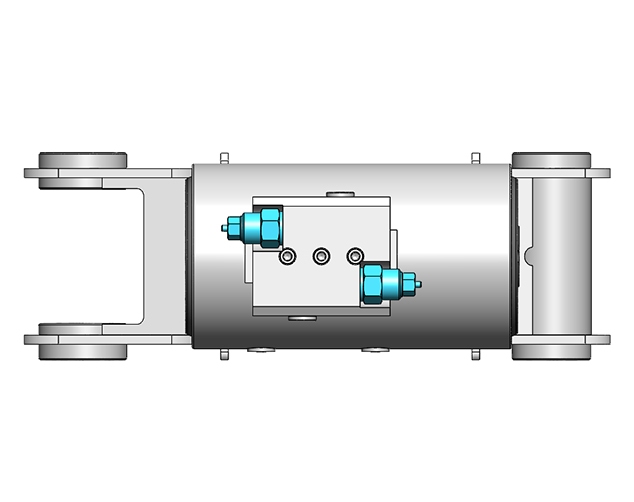
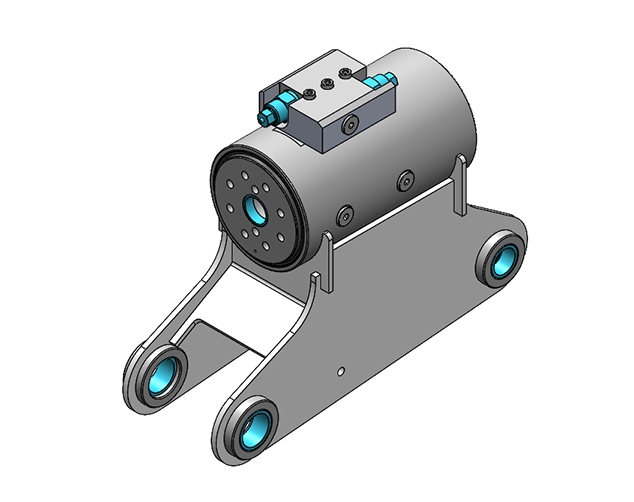
While a cylinder moves in a straight line, a hydraulic rotary actuator is designed to produce rotational torque. These actuators convert hydraulic pressure into rotational mechanical torque, providing controlled angular movement for industrial applications. These are essential for tasks requiring swinging, tilting, or rotating heavy loads with high precision. Our manufacturing expertise extends to these complex components, ensuring they can handle the high-torque demands of heavy industry and specialized marine applications.
Key Performance Differences for Engineering Selection
Comparing Linear Stroke vs Rotational Output
The primary difference lies in the type of movement. A linear cylinder is defined by its stroke length—the distance the piston travels. We utilize Multi-length Tube Processing Lines capable of handling 1m, 1.5m, 2m, and 3m configurations to meet diverse stroke requirements. In contrast, a rotary actuator is defined by its degrees of rotation and output torque. If your equipment requires a simple push or pull over a long distance, a linear cylinder is the standard choice. However, if you need rotary positioning for marine equipment, boom systems, or heavy-duty mechanisms, a hydraulic rotary actuator provides direct torque output with fewer mechanical transmission components.
Space Efficiency and Compact Design Requirements
In many industrial designs, space is at a premium. A linear cylinder requires significant room for the rod to extend and often necessitates a complex mechanical linkage to convert linear motion into rotation. A hydraulic rotary actuator is a self-contained unit that provides rotary output directly from the actuator shaft, reducing the need for additional mechanical linkages.
Application Scenarios for Optimal Actuator Performance
When to Prioritize Linear Motion in Heavy Machinery
Linear motion is the workhorse of construction and mining. For tasks like lifting the main boom of an excavator or stabilizing a high-altitude platform, the high-force capacity of a linear cylinder is unmatched.
Advantages of Rotary Motion for Industrial Tasks
Rotary motion is preferred in applications requiring high torque and frequent angular adjustments in harsh environments. In the maritime sector, our anchor thruster and other rotational components are vital for maneuvering in unpredictable waters. These environments require extremely high durability, which is the reason why we apply our unique plating. The result is highly resistant to corrosion chromium plating, with hardness above 950HV and NSS test resistance above 500 hours. In this way, we make sure that the rotary actuators can work even under the influence of salt spray and corrosive industrial fluids.
Hybrid Systems for Complex Heavy Equipment Operations
Modern machinery often requires a combination of both linear and rotary motion. A specialized vehicle might use a linear cylinder for primary lifting and a hydraulic rotary actuator for precision tool rotation. Newstar excels in creating these integrated, non-standard hydraulic systems. Our R&D team of 45 engineers specializes in designing customized solutions that integrate various actuator types into a single, cohesive hydraulic circuit, often featuring self-locking cylinder technology for added safety in the event of pressure loss.
Newstar Custom Solutions for Specialized Industry Needs
Engineering Non-Standard Rotary and Linear Systems
We don’t just provide off-the-shelf parts; we provide engineered solutions. Our team can customize effective, environmentally friendly, and high-quality products based on the specific requirements of our customers. Whether you need a specialized tension cylinder, an oil cylinder actuator, or a complex suspension cylinder, our production bases in Yantai, Linyi are equipped to meet your supply needs worldwide.
Leveraging Global R&D for Precision Actuation
With decades of manufacturing experience and a history of progress dating back to 1999, Newstar has grown into a National-level specialized and innovative “small giant” enterprise. We leverage our extensive global customer network and strategic partnerships with 120 suppliers to ensure that our R&D remains at the cutting edge. Every product we make is backed by PICC liability coverage of up to $1 million per incident, giving our clients the confidence to push their equipment to the limit.
Conclusion
Choosing between a hydraulic rotary actuator and a linear cylinder is a decision that impacts every aspect of your machine’s lifecycle, from its initial design footprint to its long-term maintenance costs. While linear cylinders provide the raw power needed for heavy lifting, rotary actuators offer the compact torque and precision required for complex angular movements. At Newstar, we are more than just a hydraulic cylinder manufacturer; we are your strategic partner in motion control. By combining advanced manufacturing technologies like our Friction Welder and Eco-plating Line with rigorous quality control standards like IATF16949, we ensure that every solution we provide—standard or non-standard—is built to last. We invite you to experience the reliability and innovation that has made us a trusted supplier to global industry leaders.
Contact Newstar today to discover how our precision-engineered hydraulic actuators and custom solutions can improve the reliability and efficiency of your hydraulic motion systems!
FAQ
Q: What is the main advantage of using a hydraulic rotary actuator over a cylinder?
A: The main advantage is space efficiency and direct torque. A rotary actuator provides rotational motion at the pivot point without needing external linkages, making it ideal for compact designs where high torque is required.
Q: Can Newstar products withstand harsh offshore or mining environments?
A: Yes. Our High Corrosion Resistant Chrome Plating, produced on our Eco-plating Line, has an NSS test performance of over 500 hours and a hardness of 950HV, making it perfect for marine construction and mining machinery.
Q: Does Newstar offer weight-saving options for mobile machinery?
A: Absolutely. We offer Hollow Rods that can reduce the cylinder weight by more than 30% while maintaining the necessary strength, which significantly improves the fuel efficiency and payload of agricultural and construction machinery.