




Hydraulic Outrigger Cylinder for Aerial Work Platforms
A hydraulic outrigger cylinder for aerial work platforms helps deploy and position the outrigger system by extending, retracting, and adjusting the height of the outriggers. Where a mobile elevating work platform (MEWP) design requires outriggers, the cylinders deploy the support system as part of the machine setup before elevated operation. For boom lifts and scissor lifts, the right cylinder must combine suitable force, stroke, load-holding performance, and installation geometry.
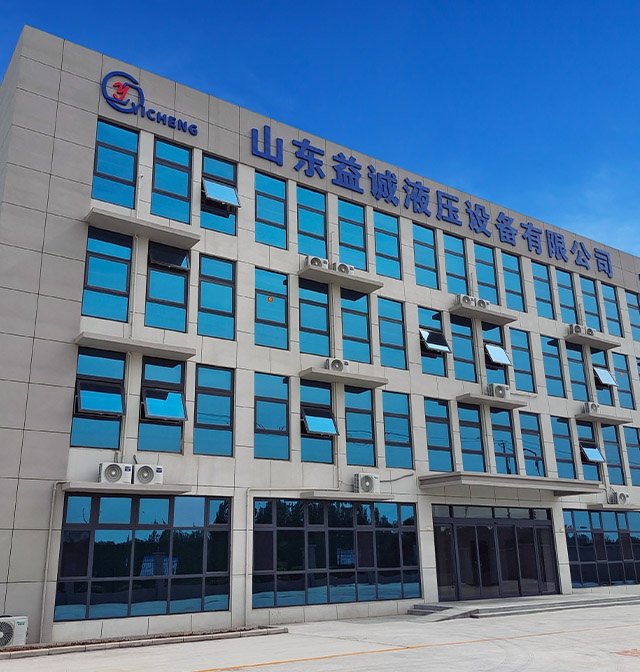
At Newstar, we develop and manufacture hydraulic cylinders, servo cylinders, and non-standard equipment for demanding industrial applications. Our products are used in construction machinery, aerial work platforms, shipbuilding and heavy industry, mining, and aerospace, so we approach outrigger cylinders as both motion-control components and part of the complete support system.
Why MEWPs Use Hydraulic Outrigger Systems
Stability Challenges During Elevated Operation
As an aerial platform rises or a boom reaches outward, load distribution across the chassis changes. Platform position, payload, machine orientation, and ground conditions can influence support requirements. Outriggers provide additional support points so equipment can establish a more stable base when its design calls for them.
The Outrigger Cylinder controls the deployment and height adjustment of the outrigger relative to the chassis. A cylinder that cannot reach the required position or maintain support can limit the effectiveness of the complete outrigger system.
How Outriggers Create a Stable Support Base
The outrigger provides a defined load path between the chassis and the supporting surface. Its geometry determines how ground reaction loads are transferred into the chassis, while the cylinder controls how the leg moves and how much height adjustment is available. The cylinder installation position and required travel should therefore be matched to the geometry of H-type, X-type, or frog-type outrigger structures.
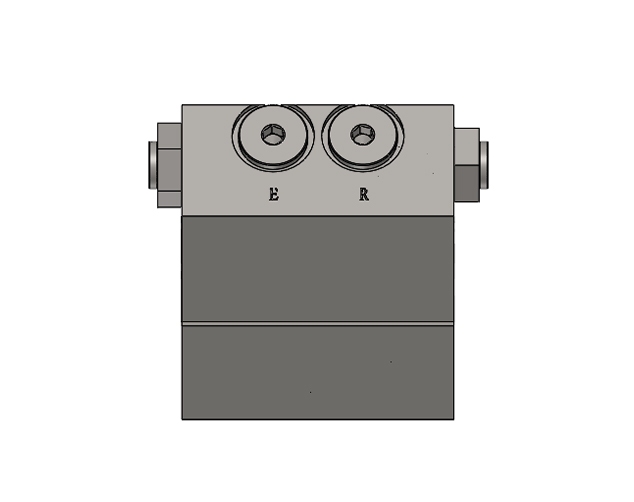
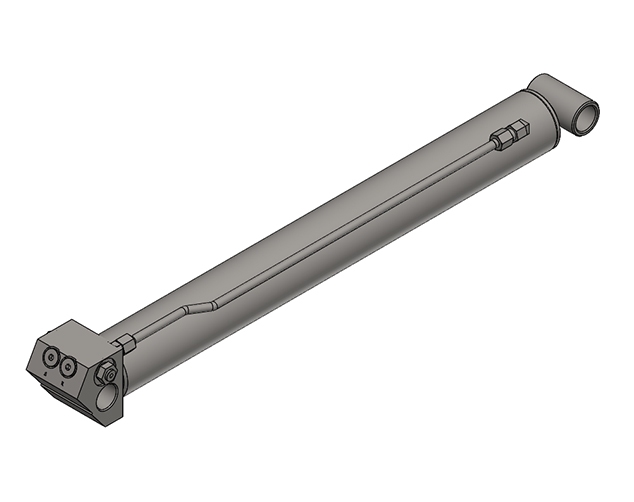
Newstar’s Outrigger Cylinder connects the chassis and outrigger, drives extension and retraction, and adjusts support height. Its function therefore needs to be evaluated as part of the complete outrigger system.
How Does a Hydraulic Outrigger Cylinder Work?
Extending, Retracting, and Adjusting Height
Hydraulic pressure acting on the piston creates linear force that moves the outrigger through its designed travel. During deployment, the outrigger cylinder extends the outrigger or support leg toward its deployed position; after operation, the process reverses so it can return to its retracted position.
Rod diameter influences buckling resistance under compressive loading and the stroke determines usable travel. These dimensions must work together with system pressure and outrigger geometry. Newstar lists a stroke range of 120–1700 mm and a listed length range of 250–2100 mm for the Outrigger Cylinder.
How Outrigger Cylinders Improve Aerial Platform Stability
Providing Load-Bearing Support
A hydraulic outrigger cylinder must generate the required extension force and operate within the load-holding system. Newstar’s Outrigger Cylinder has a bore range of 40–160 mm, a rod range of 20–80 mm, an operating pressure range of 17–35 MPa, and a stated maximum thrust of 70T.
These values describe the available product range rather than a single cylinder configuration. Cylinder sizing must match required support force, hydraulic pressure, mounting arrangement, and duty conditions. At a given hydraulic pressure, a larger piston area increases theoretical extension force, subject to system losses and design limits.
Maintaining Support During Operation
Achieving the deployed position is only one requirement of an outrigger system. The cylinder and associated load-holding hydraulic circuit must maintain the required support position during operation. Position-holding performance depends on cylinder sealing integrity together with the hydraulic circuit’s load-holding arrangement. Internal leakage, valve leakage, or insufficient pressure retention may contribute to cylinder drift, so both the cylinder and the complete hydraulic circuit should be considered during system design.
At Newstar, our intelligent test stations can test breakaway pressure, stroke, internal leakage, external leakage, and proof pressure. Intelligent assembly equipment and automated process-data recording also help control manufacturing consistency and make important production information traceable.
Adapting to Demanding Environments
Aerial equipment frequently works outdoors around moisture, dust, temperature changes, and exposed job sites. Newstar identifies strong load-bearing capacity, high stability, adaptability to harsh environments, and high safety performance as key advantages of the Outrigger Cylinder.
Newstar’s manufacturing capabilities also include high-corrosion-resistant chrome plating. According to Newstar’s quality-control data, this plating process has passed SGS inspection, with hardness above 950HV and NSS performance above 500 hours at a thickness of 50–60 μm.
Outrigger Cylinder Applications Across Aerial Work Platforms
Telescopic and Articulated Boom Lifts
Telescopic boom lifts can create demanding support conditions because the boom reaches outward as well as upward. An outrigger cylinder for boom lift equipment must fit the support geometry while providing appropriate travel, force, and load-holding performance.
Articulated boom lifts change their working position through multiple boom sections. The outrigger cylinder should therefore be selected as part of the complete stabilizing system rather than as an isolated component. Stroke, installation position, hydraulic pressure, and available chassis space need to work together.
Scissor Lifts
Some scissor lift configurations use hydraulic outriggers to provide additional support or leveling capability. A hydraulic outrigger cylinder for scissor lift equipment must fit available chassis space while providing suitable stroke and controlled support movement.
What Determines the Right Outrigger Cylinder?
Bore, Rod Diameter, and Force
Selection should begin with the support force required by the machine. Bore size, rod diameter, and hydraulic pressure need to be evaluated together, with the load path and actual operating conditions in mind. Newstar’s 40–160 mm bore and 20–80 mm rod ranges provide options for different equipment requirements.
Choosing the largest cylinder is not automatically the best solution. OEM engineers also need to consider installation space, hydraulic-system capacity, operating speed, equipment weight, and the mechanical relationship between the cylinder and outrigger.
Stroke, Length, and Mounting Position
Stroke determines linear travel, while installation length determines whether the cylinder can physically fit into the machine. Designers should check both retracted and extended geometry, along with clearances, hose routing, attachment points, and surrounding components.
Mounting position also depends strongly on the outrigger structure. H-type, X-type, and frog-type layouts change the direction of movement and the relationship between the cylinder and support leg. Matching the hydraulic support cylinder to this geometry ensures that available cylinder stroke corresponds to the required outrigger travel.
Why Work with Newstar on Outrigger Cylinder Projects?
At Newstar, we combine hydraulic-cylinder engineering with manufacturing and testing capabilities. Our facilities include machining equipment, automatic assembly lines, and precision inspection instruments. Our production expertise spans hydraulic cylinders, servo cylinders, and hydraulic cylinders, servo cylinders, and various non-standard equipment.
When handling OEM projects, a hydraulic outrigger cylinder for aerial work platform equipment must align with precise sizes, pressure levels, and load requirements. The cylinder must also fit the available installation envelope. Because of this, we treat the bore, rod diameter, stroke, working pressure, mounting dimensions, and installation geometry as a single set of linked technical variables.
Conclusion
A hydraulic outrigger cylinder for aerial work platform equipment directly affects how the support system deploys, adjusts, carries load, and maintains its working position. The right solution depends on matching bore, rod diameter, stroke, installation length, working pressure, and mounting geometry to the actual machine rather than choosing a cylinder from one specification alone.
Newstar’s Outrigger Cylinder covers a broad dimensional range and application flexibility and is designed for aerial work platform applications including telescopic boom lifts, articulated boom lifts, and scissor lifts. Contact Newstar to discuss an outrigger cylinder configuration based on your platform layout, support requirements, and hydraulic system.
FAQ
Q: What is a hydraulic outrigger cylinder used for?
A: A hydraulic outrigger cylinder moves the support leg between transport and working positions and can adjust support height. In an aerial work platform, it connects the chassis to the outrigger mechanism so hydraulic force becomes controlled support movement. Its installation position depends largely on the design of the outrigger structure.
Q: How does an outrigger cylinder improve aerial platform stability?
A: The cylinder enables the outrigger to reach and maintain its required supporting position, helping the machine establish a suitable support base. Cylinder force, stroke, mounting geometry, load-holding performance, and ground conditions should therefore be considered together as part of the complete support system.
Q: How do I choose the right outrigger cylinder size?
A: Start with the required support force and hydraulic system pressure, then determine suitable bore and rod dimensions. Check stroke, overall length, available installation space, mounting arrangement, and outrigger geometry. For OEM applications, these factors should be evaluated together rather than selecting a cylinder based on bore size alone.