




Enhance AWP Safety with Newstar Floating Cylinders
Working at height is one of the most hazardous activities in the construction and industrial maintenance industries. Irrespective of whether the technician is repairing power lines or the painter is doing his painting in a skyscraper, stability is critical when operating an aerial work platform (AWP). Any lateral movement or tilt of the platform, even in bad terrain, will result in a catastrophic event. Newstar was founded way back in 1999. We are professional engineers committed to the development and manufacturing of high-precision hydraulic cylinders, servo cylinders, and gears. We understand that the most critical part of the AWP operation is its stability. As a result, Newstar floating cylinders are widely used by leading OEM and equipment manufacturers worldwide.
Understanding Common Safety Hazards in AWP Operations
The Danger of Lateral Sway
When an aerial lift goes up to its full height, it is very sensitive to outside forces. Lateral sway is the side-to-side shaking of the boom. This is a big worry for workers. Wind loads, platform movement, and dynamic operating conditions can all contribute to lateral sway. If there is no way to absorb these forces, the sway can hurt the machine or scare the operator. Newstar sees this as a major problem. Our Aerial Lift Hydraulic Cylinder Solutions are built to fix it.
Risks of Uneven Load Distribution
In a perfect world, every weight would stay right in the middle. But in real life, tools and workers are often spread out unevenly. This creates a force that can make the platform tip. If the hydraulic system cannot adjust for this weight shift, the machine might fall over. Our floating cylinder load compensation technology is made to handle these everyday situations safely.
Unexpected Platform Tilting Issues
Ground is almost never perfectly flat. When a machine moves around a job site, it often hits slopes or bumps. This makes the base of the machine tilt away from the boom. A stiff system would put too much stress on the joints. However, a “floating” system is flexible. It lets the platform stay level even when the ground is not.
What is a Floating Cylinder
Defining the “Floating” Characteristic
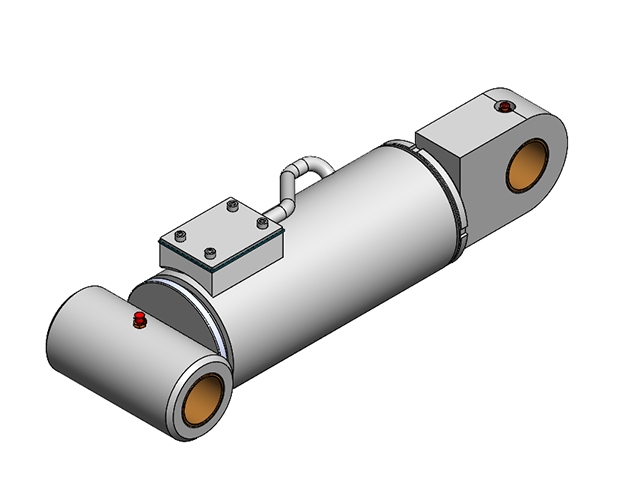
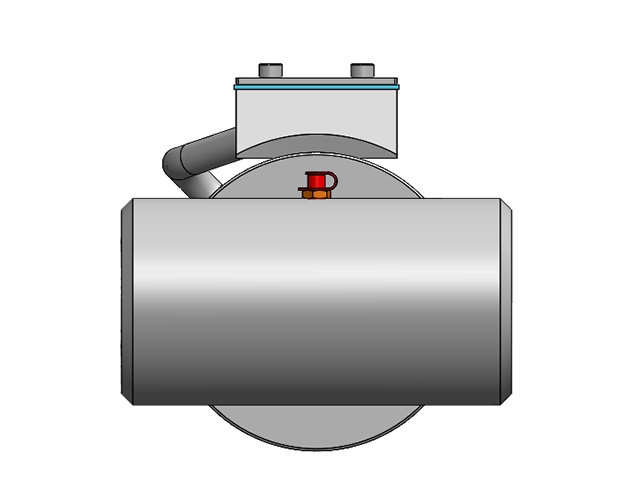
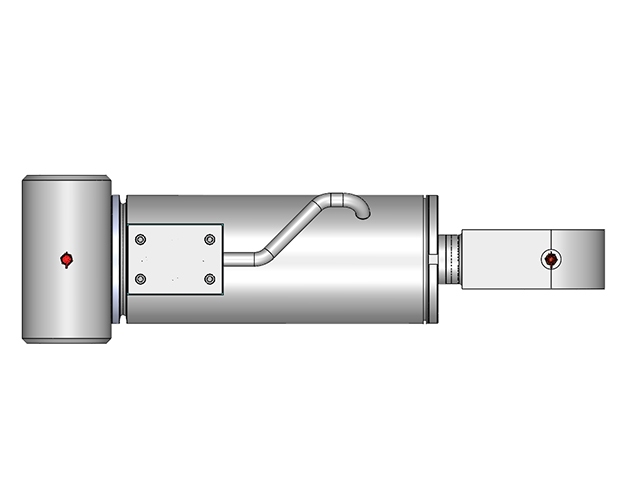
Basically, a floating cylinder is a hydraulic part with special skills. It is different from a regular linear cylinder. While a normal one moves in a fixed way, the “floating” feature lets the machine adapt to the environment or the job automatically. A floating cylinder is designed to accommodate limited misalignment and side-load variations while maintaining stable hydraulic performance.
Installation Locations and Adaptive Posture
We usually put the floating cylinder at spots where the machine needs to be flexible. These spots include the joints between the platform and the boom or the support legs. By using these reliable hydraulic cylinders for aerial lifts, the AWP gets the ability to change its posture. This helps absorb structural misalignment and load variations, reducing stress on the boom and platform structure.
Newstar Engineering: Technical Excellence for Stability
Specifications of the Floating Cylinder
Precision is what Newstar is known for. Our floating cylinder meets very strict technical rules for heavy work. We offer a bore size from 40- 120 mm and a rod size from 30- 90 mm. The stroke lengths go from 200 to 1000 mm. These cylinders can handle a pressure of 25MPa and push with a force of up to 28T. This power and smooth movement make it the best Heavy Duty floating cylinder for industrial lifts.
Advanced Material Selection and Sealing
To give our clients the High-Reliability Hydraulic Cylinder they need, we use the best parts. We use Parker/Simrit seals from overseas. These seals are great at handling high heat and pressure. Also, our special double chromium coating stops rust and cracks. It is tested by SGS and is very hard—over 950HV.
Real-World Benefits for Fleet Operators
Minimizing Equipment Downtime and Costs
When a machine breaks, it costs a lot of money and creates risks. We know that every hour a machine sits still on a site can cost thousands. By using Newstar’s aerial work platform cylinder, owners benefit from a proven reliability record backed by years of field performance.
Enhancing Long-Term Reliability and Durability
We care about quality for the whole life of the product. Some of our designs use hollow rods. These are 30% lighter than solid ones but just as strong. The lightweight hollow rod design can help reduce overall equipment weight, potentially contributing to improved energy efficiency. Also, the stability of our floating cylinder for Construction and Maintenance Platforms means less stress on other parts. This leads to lower repair bills for the owner.
Our Global Commitment to Quality
Advanced Manufacturing and Test Stations
At Newstar, we believe “Quality Changes the World.” Our factories in Yantai use the latest tech. We have smart assembly lines and PLC test stations. We use special sensors to check pressure and leaks with 0.5% accuracy. Also, our Friction Welders make very strong joints without the holes or mess found in old welding methods.
Strategic Partnerships and Proven Experience
We do more than just sell parts; we offer aerial lift stability solutions. Our team of 45 experts works with top universities to lead the way in hydraulic tech.
Conclusion
Being steady is the most important part of working high up. The floating cylinder by Newstar is the perfect mix of safety and smart engineering. These cylinders help machines stay level and safe from swaying. As we keep growing in China , we want to give the world the best hydraulic tools. Choosing Newstar is not just about buying a part. It is about keeping your workers safe and making your machines last longer.
Contact Newstar today to learn how our floating cylinder solutions can elevate the safety and stability of your next aerial project.
FAQ
Q: What is the core function of a Floating Cylinder in an AWP?
A: The main job of a floating cylinder is to give the lift “floating” traits. This lets the machine adjust its posture to stay safe and steady even when the load or the ground changes.
Q: How does a Floating Cylinder differ from a standard Lift Cylinder?
A: A standard lift cylinder just moves things up and down. A floating cylinder is built to adjust the machine’s position. It is usually placed at joints to help the lift stay level on bumpy ground.
Q: Which types of equipment are best suited for Floating Cylinders?
A: They work best on aerial platforms, boom trucks, and scissor lifts that need to stay level on rough or uneven job sites.