




Hydraulic Rotary Actuator Selection Guide for Industry
In demanding industrial applications, achieving smooth, high-torque rotary motion in tight spots is a common hurdle for engineers. Whether you are rotating the platform assembly of an aerial work platform or positioning heavy equipment booms on a building site, traditional mechanical linkage systems may require additional components and occupy more installation space while providing limited motion control accuracy. This is why a high quality hydraulic rotary actuator is so important.
Selecting the appropriate actuator needs a solid grasp of fluid power, load needs, and the operating environment. As a top hydraulic rotary actuator manufacturer, Newstar has spent many years building high-performance motion control equipment. Founded in 1999, Newstar specializes in the research, development, and manufacturing of hydraulic cylinders, rotary actuators, servo cylinders, and customized hydraulic systems. Our hydraulic solutions are widely used in construction machinery, aerial work platforms, mining equipment, and aerospace applications worldwide. In this full guide, we will go over the main steps for picking an industrial hydraulic rotary actuator that stays safe and works well for a long time.
Understanding Hydraulic Rotary Actuators
Core Working Principles
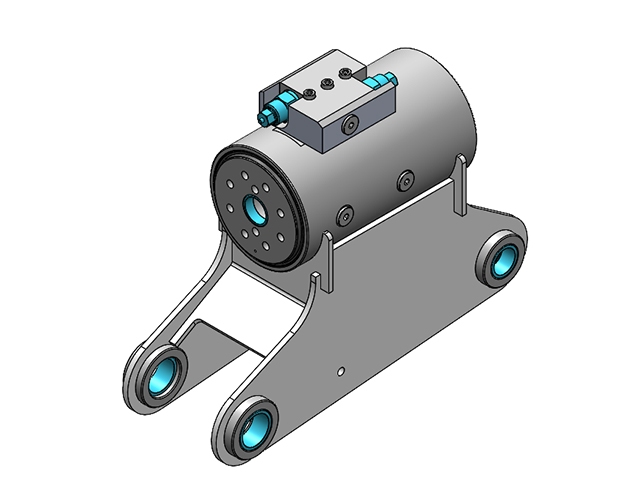
A hydraulic rotary actuator is a hydraulic drive component that converts hydraulic energy into bidirectional rotary torque. Hydraulic cylinders need extra parts to pivot, but a rotary actuator integrates the rotary motion mechanism within a compact housing. Depending on the design structure, hydraulic rotary actuators convert linear hydraulic force into controlled rotary motion through mechanisms such as rack-and-pinion or helical spline systems. This compact design ensures tight control, steady motion, and space-efficient design, making it a preferred solution for modern heavy machines.
Key Industrial Application
Industrial hydraulic rotary actuators are vital parts for many heavy-duty jobs. The rotary actuator is installed at the joint of the aerial work platform to achieve horizontal rotation or swing angle, ensuring the precise positioning of the working platform under different working conditions and improving operational flexibility and safety.
Critical Selection Criteria for Engineering Managers
Calculating Torque and Load Capacity
The most important number in any hydraulic actuator sizing guide is output torque. The unit must have enough power to overcome frictional resistance, accelerate the load, and withstand external loads like wind or gravity shifts.
Torque Range: Engineering teams have to check both the holding power and the driving power. To fit these big industrial needs, the Newstar Rotary Actuator has a wide range of specs. It offers output torque from 200 to 25,000 Nm.
Load Variables: If you miss a sudden pressure spike, the material may fatigue and break. Picking a heavy-duty hydraulic rotary actuator with a proven torque rating keeps the machine steady even at full weight.
Determining Rotation Angle and Envelope
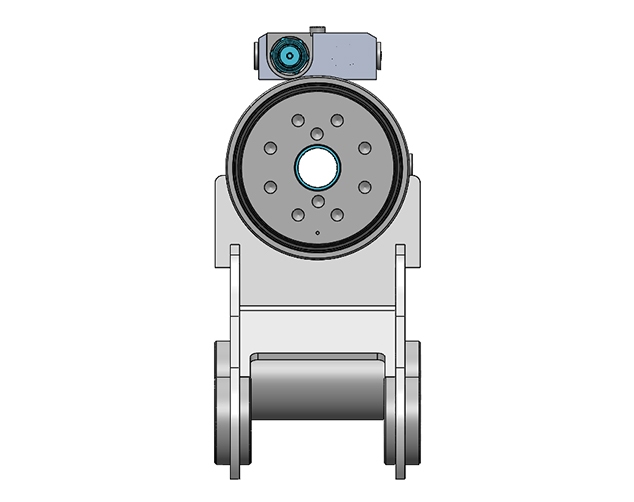
Actuators work within set turning limits, unlike hydraulic motors that spin forever. You must know the exact swing angle you need, such as 90 degrees, 180 degrees, or a custom turn. You also need to look at the installation space on your machine. The slim build of our actuators lets them fit into tight joints. This makes the most of your space without losing any turning power.
Operating Pressure and Sealing Systems
To ensure a leak free hydraulic actuator, the inside pressure must match your machine’s system perfectly. Pressure fluctuations can break seals, leading to drifting or oil loss. At Newstar, we prevent this by using high-quality Parker/Simrit seals. These special seals handle heat and pressure very well. They keep the control accurate and ensure a long, leak-free life for the machine.
Why Manufacturing Quality Dictates Reliability
Precision Testing and Quality Control
When you use heavy equipment, a structural break is not an option. A reliable hydraulic rotary actuator must undergo rigorous testing before it goes to work. At Newstar, we follow the tough IATF16949 quality management system. We use quality management methodologies and FMEA to monitor every step of our work.
Our factory lines use an Intelligent Test Station with servo motors and sensors. We test every single unit for pressure, stroke, and internal and external leakage.
Advanced Surface Treatment Technology
Since these parts are used outside in rain and dirt, special coating is key to stop rust and wear. Newstar has made its own Eco-plating Line. It uses a special plating method and proprietary electroplating process to protect the metal.
Newstar applies advanced hard chrome plating technology to improve wear resistance and corrosion protection for hydraulic components operating in harsh environments. It is checked by the global group SGS. The surface is very hard, reaching over 950HV. It can pass a salt spray test for 500 hours. This protection is better than normal coatings. It makes the unit perfect for long use near the ocean or in wet industrial areas.
The Value of Custom Engineering Partnerships
Custom Hydraulic Rotary Actuator Solutions
Every machine is different, and standard actuators don’t always fit. You might need special sizes, built-in valves, or unique mounts. Working with a skilled maker is a must. Newstar has a team of 45 engineers and its own R&D center. We work with clients from all over to build custom motion tools for heavy industrial needs.
Evaluating Supplier Ecosystems and Support
A good supplier should give you more than just a product; they should give you peace of mind. Newstar is a recognized “small giant” firm with large-scale manufacturing facilities in Yantai and Linyi. We have shipped over 5 million hydraulic units globally. Newstar has supplied hydraulic solutions to globally recognized manufacturers in aerial work platforms and industrial equipment, with proven experience in demanding applications.
Conclusion
Picking a high performance hydraulic actuator is a key choice that affects safety and how long your machinery lasts. By checking torque, seal quality, and surface coatings, you can avoid machine failure in the field. As a known hydraulic rotary actuator supplier, Newstar uses top equipment and strict quality checks to provide great motion solutions.
Are you looking for a high quality hydraulic rotary actuator to enhance operational efficiency? Reach out to the team at Newstar today to talk about your specs or get a price for your next project.
FAQ
Q: How do I calculate the torque required for my hydraulic rotary actuator?
A: To find the right torque, you need to find the total weight and multiply it by the distance from the center of the turn to the load’s center. You also have to think about how fast you need to start or stop the turn and things like wind. Picking from the Newstar Rotary Actuator series gives you a range from 200 to 25,000 Nm to handle these loads easily.
Q: What makes premium sealing systems so critical in rotary actuator selection?
A: These units turn and change pressure often, which is hard on the seals. Cheap seals fail fast, causing leaks and making the machine unsafe. Using top parts like the Parker/Simrit seals in Newstar products ensures they handle heat and pressure for a long, leak-free life.
Q: Why is neutral salt spray (NSS) testing important for industrial hydraulic actuators?
A: Machines work outside in rain, dust, and salt. The NSS test shows how well the coating stops rust. Normal coatings fail, causing pits in the metal. Newstar’s chrome plating passes the SGS test for 500 hours. This keeps the unit tough and safe from the weather.