




Hydraulic Jack Troubleshooting: Fix Common Problems Fast
A hydraulic jack may fail to lift, lose load-holding pressure, develop external leakage, move slowly, or fail to lower properly. These symptoms can originate from the hydraulic circuit, including low fluid level, air or aeration, pump or valve malfunction, internal leakage, seal failure, or mechanical problems within the cylinder and mounting system. Low fluid level can also allow air to enter the suction circuit, resulting in aeration, noise and inconsistent actuator movement. If pressure cannot be maintained under a steady load, the system may have internal leakage, valve leakage, insufficient pump performance, or an incorrectly adjusted relief valve. These may indicate piston-seal bypass, cylinder-bore wear, piston wear, valve-seat damage, or piston-rod surface damage.
At Newstar, our team designs and builds hydraulic cylinders. We also make servo cylinders and custom non-standard hydraulic equipment. Our products support construction machinery and aerial work platforms. They are widely used in shipbuilding, mining, aerospace, and many other demanding industrial applications.
Quick Hydraulic Jack Troubleshooting Chart
How a Hydraulic Jack Works — and Why It Fails
A hydraulic jack is a lifting device that uses hydraulic pressure to produce lifting force using a hydraulic cylinder or ram. This happens because pressure is applied to the surface area of the piston as a result of the hydraulic pressure created by the pump. The hydraulic fluid is extracted from the reservoir and then introduced into the hydraulic cylinder via the pump, check valve, and hydraulic circuit. For effective lifting, there should be enough hydraulic fluid, good valve performance, effective sealing, good condition of the hydraulic cylinder, and correct alignment of the actuator and the load.
1. Hydraulic Jack Won’t Lift
Ensure that the load being carried is not above the maximum weight limit, and ensure the release valve is fully closed. Check the hydraulic fluid level and condition as per the guidelines provided by the equipment manufacturer.
A low hydraulic fluid level can prevent the pump from delivering sufficient fluid, resulting in reduced lifting performance or failure to build pressure.
2. Hydraulic Jack Won’t Hold Pressure or Load
If a jack raises the load normally but gradually loses height under load, the hydraulic circuit may be experiencing internal leakage or valve leakage. Common causes include leakage through the release or check valve, worn piston seals, damaged valve seats, or excessive leakage across the piston seal.
Internal hydraulic leakage may leave no visible oil outside the unit. Fluid can bypass the piston seal inside the cylinder, causing cylinder drift or gradual load movement while the exterior remains dry. If load drift returns after basic valve checks, inspect the sealing system and cylinder bore.
3. Hydraulic Jack Is Leaking Oil
Seal wear is not always the root cause. A scratched or corroded rod can quickly damage a replacement seal. Contaminated fluid can carry abrasive particles through the system, while misalignment or side loading increases uneven seal wear.
4. Hydraulic Jack Lifts Slowly or Won’t Reach Full Height
Slow lifting does not automatically mean insufficient pressure. Check fluid level, fluid viscosity and condition, pump performance, suction restrictions, trapped or aerated fluid, valve operation, flow restrictions, and internal leakage.
If the jack stops before reaching its rated stroke, check the hydraulic fluid level, trapped air, mechanical travel limits and any flow restriction. If these conditions are normal, inspect the pump, valves and cylinder for internal leakage or mechanical damage.
5. Hydraulic Jack Feels Spongy or Moves Unevenly
A spongy response often suggests air in the hydraulic system. Unlike hydraulic oil, trapped air is compressible, so part of the pump input is used to compress the air instead of producing predictable cylinder movement.
Aerated oil can produce similar symptoms. Check fluid condition and possible air-entry points. Because bleeding procedures vary by design, follow the equipment manufacturer’s specified bleeding procedure. Do not loosen hydraulic fittings or components while the system is pressurized.
6. Hydraulic Jack Won’t Lower or Retract
Check the release valve first. A stuck, contaminated, damaged, or incorrectly operated valve can restrict return flow.
If the valve works correctly, inspect for mechanical binding. A bent rod, mounting misalignment, side load, or worn guide bushing, bearing or guide surface can prevent smooth retraction, especially in long-stroke or heavily loaded industrial cylinders.
How to Diagnose Hydraulic Jack Problems Step by Step
Use a consistent sequence instead of replacing parts at random:
Confirm the load is within rated capacity.
Check hydraulic fluid level and condition.
Inspect for external leakage.
Check for trapped air or aeration.
Inspect release and check valves.
Evaluate seals for bypass or leakage.
Inspect rod condition, mounting, and alignment.
Never work beneath a load supported only by a hydraulic jack. Use appropriately rated mechanical supports or jack stands, and follow the equipment manufacturer’s lockout, depressurization and service procedures before inspecting hydraulic components.
When the Problem Is Actually the Hydraulic Cylinder
The cylinder needs closer attention when pressure loss, seal leakage, rod scoring, uneven movement, or internal bypass repeatedly returns after routine maintenance.
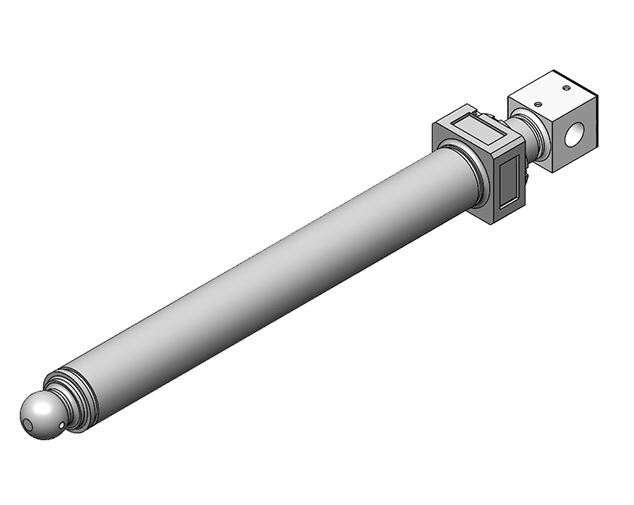
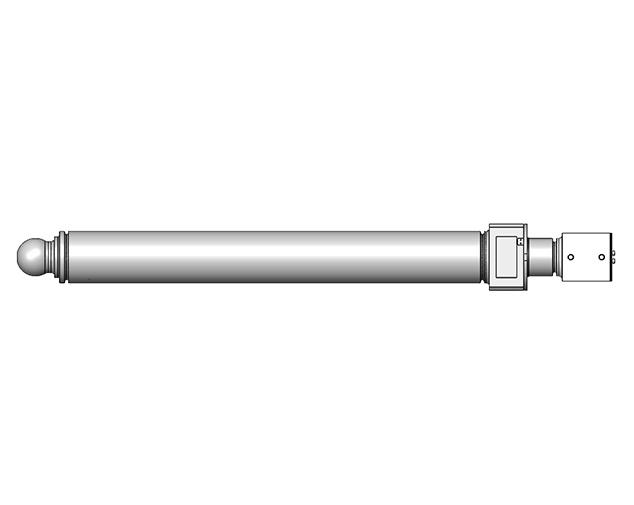
Newstar’s Jackingcylinder is an industrial example. Designed for fire-truck boom and platform lifting, it is used where lifting stability and load control are critical. Its published range includes 40–140 mm bore diameters, 25–100 mm rod diameters, 500–2400 mm strokes, 700–2800 mm lengths, and pressures of 9–25 MPa. The product page also states maximum thrust up to 38 T.
Preventing Repeat Hydraulic Jack and Cylinder Problems
Preventive maintenance must take into account fluid cleanliness, seal condition, protection of the piston-rod surface from contamination, proper mounting, capacity and alignment. Contamination should be kept away from the system, scratches and corrosion on the rod must be checked for, side loading must be avoided, and the correct hydraulic fluid used.
Newstar states that its Intelligent Test Station uses closed-loop control to test breakaway pressure, stroke, internal leakage, external leakage and proof pressure, with pressure-control precision within 0.5%.
These types of tests become even more critical when testing the cylinders for use in lifting and other equipment due to the fact that proper functionality is dependent not only on the precise dimensions of the cylinder, but also on the seal and pressure maintenance and movement within the stroke length of the cylinder.
What OEMs Should Consider When Hydraulic Failures Keep Returning
If the same failure repeatedly appears in construction machinery, aerial platforms, mining equipment, shipbuilding systems, or other heavy-duty machines, maintenance alone may not solve it. Review cylinder bore and rod sizing, stroke, working pressure, mounting geometry, side-load conditions, seal compatibility, corrosion exposure, and testing requirements.
At Newstar, we manufacture hydraulic cylinders and non-standard hydraulic solutions around application requirements. Our published product portfolio includes linear cylinders, tension cylinders, servo cylinders, self-locking cylinders, oil cylinder actuators, anchor thrusters, suspension cylinders, and electroplated piston rods.
For OEM applications, it is important to look beyond a failed seal or temporary pressure loss. Matching cylinder design, materials, surface protection, mounting arrangement, and testing requirements to the actual operating environment can help address the underlying causes of repeated hydraulic problems.
Conclusion
Effective hydraulic jack troubleshooting requires a systematic diagnostic process that starts from identifying the symptom, assessing the load and fluid, checking for air entrainment, aeration, internal leakage and external leakage, examining the valves and seals, and finally checking the cylinder and rod.
In OEM and heavy duty hydraulic applications, Newstar can support OEM customers in evaluating your loads, strokes, pressure, mounting, sealing, protection against corrosion and testing needs. Talk to us about your operating environment and hydraulic cylinder needs and consider a more appropriate solution.
FAQ
Q: Why is my hydraulic jack not lifting?
A: Rated Load check, Release Valve, Hydraulic Fluid Level, Leakage, Trapped Air check should be done before proceeding to other checks. These checks will help one understand whether the problem is related to fluid level or there is an internal leakage or wear of components.
Q: Why won’t my hydraulic jack hold pressure?
A: Pressure can be lost through a leaking release or check valve, worn piston seals, damaged cylinder bores, damaged valve seats, or excessive internal leakage. Internal leakage may occur without visible external oil, so a jack that continually sinks under load may require inspection of its internal sealing surfaces.
Q: Why is my hydraulic jack leaking oil?
A: Common causes include worn seals, rod scoring, loose fittings, contamination, corrosion, excessive pressure, or misalignment. Start diagnosis at the leak location. If a replacement seal fails repeatedly, inspect the rod surface and alignment rather than replacing the seal alone.