




How Does a Fire Truck Leveling Cylinder Keep Platforms Level
When a fire truck aerial platform operates at significant working heights, platform stability and leveling accuracy become critical for safe operation. Firefighters rely on a stable and properly leveled working platform when performing high-altitude rescue and firefighting operations. They must also manage heavy water monitors while working in tough spots. So how does the working platform remain level as the boom extends and changes its elevation angle? A key component in this process is the fire truck leveling cylinder, a hydraulic actuator designed to help maintain the platform’s level position as the boom configuration changes.
Newstar specializes in the R&D and manufacturing of hydraulic cylinders, servo cylinders, and various non-standard hydraulic equipment. Since starting in 1999 in Yantai, we have supported vital industries like construction, shipbuilding, and mining. In this guide, we will look at how platform leveling works. We also explain why great engineering is a must as crews climb higher.
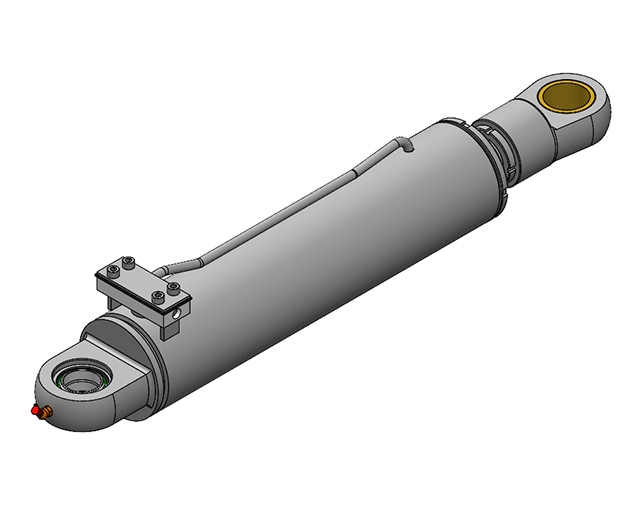
Why Is Platform Leveling Important for Fire Truck Aerial Platforms?
Telescoping and Luffing Challenges
Running an aerial fire truck takes great care. As the platform goes up, the main boom moves in two ways. It telescopes to get longer and luffs to change its angle. These movements change the boom geometry and the relative position of the working platform. Without a compensating leveling mechanism, changes in boom geometry could cause the working platform to deviate from its intended level position. To stop this, a hydraulic leveling cylinder works with the boom. The leveling cylinder adjusts its stroke to compensate for changes in boom geometry and help maintain the intended platform orientation.
How Wind, Payload, and Boom Movement Affect Platform Stability
At greater working heights, wind loads, boom deflection, payload changes, and dynamic effects can have a greater impact on platform stability. This makes accurate and reliable platform leveling increasingly important. As the boom changes its elevation and reach, even a small change in platform angle can affect the working position of personnel and equipment. The leveling system therefore needs to compensate for changes in boom geometry and operating conditions.
How Leveling Cylinders Work
How Does a Fire Truck Leveling Cylinder Work?
Depending on the aerial platform design, the leveling cylinder can operate as part of a hydraulic leveling circuit that coordinates boom movement with platform position. In some systems, hydraulic synchronization is achieved through master and slave cylinders, while other platforms may use electronically controlled leveling systems.
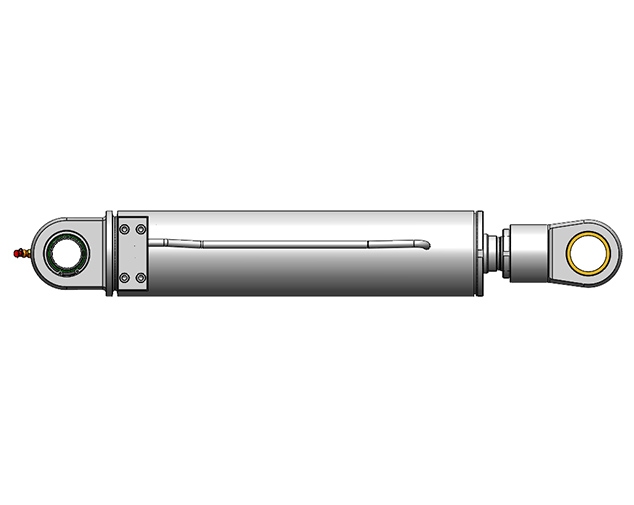
How Hydraulic Leveling Systems Maintain Platform Position
Some modern aerial platforms use electronic sensors and control systems to monitor platform angle and coordinate hydraulic correction. In such systems, sensor feedback can be used to adjust the leveling actuator when platform position changes due to boom movement, payload variation, or other operating conditions.
The Danger of Leveling Failures
Cylinder Drift and Leakage
Hydraulic cylinder leakage can occur externally at the rod seal or other connection points, or internally when hydraulic fluid bypasses the piston seal. Internal leakage can reduce the cylinder’s ability to hold its position and may contribute to cylinder drift, which can affect platform leveling performance.
Potential Consequences of Leveling System Failure
A malfunction in the leveling system can affect platform position and operating stability. Depending on the system design and failure mode, issues such as internal leakage, loss of hydraulic pressure, or mechanical wear may reduce the system’s ability to maintain the intended platform position
Newstar Custom Hydraulic Solutions
Premium Sealing and Materials
To stop these risks, Newstar applies imported Parker/Simrit sealing solutions across its hydraulic cylinder products, selected for their pressure and temperature resistance. These sealing solutions are selected for demanding pressure and temperature conditions and can help reduce the risk of hydraulic leakage and cylinder drift when properly specified and maintained. For applicable hydraulic cylinder designs, Newstar uses hollow rod technology to reduce component weight by more than 30% compared with solid rods while maintaining structural strength. Lower cylinder mass can help reduce the weight contribution of the hydraulic system.
Exceptional Corrosion Resistance
Fire trucks often work around water and chemicals. To improve corrosion resistance, Newstar uses a proprietary high-corrosion-resistant, crack-free double chromium plating process, with products inspected by SGS. Newstar’s Eco-plating Line uses a closed-loop collection and treatment process designed to minimize the release of pollutants during plating. The coating thickness is 50–60 μm, with surface hardness exceeding 950 HV and neutral salt spray (NSS) test performance of more than 500 hours. This keeps the rod smooth. A properly finished piston rod surface can help reduce seal wear and the risk of premature hydraulic leakage.
Custom Engineering and Specifications
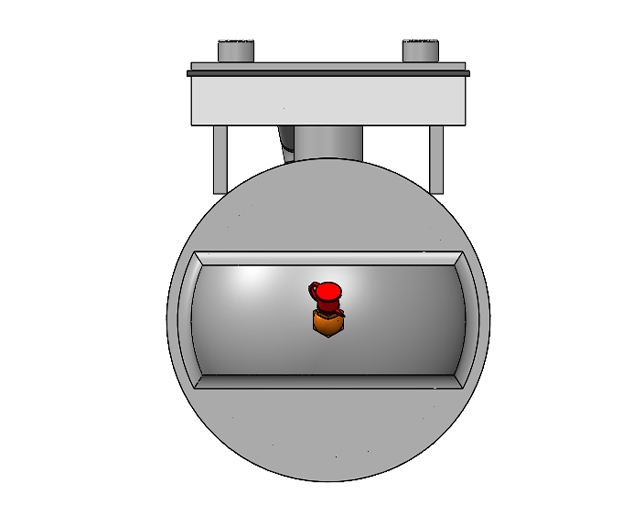
Founded in 1999, Newstar has more than two decades of experience in hydraulic cylinder development and manufacturing. Newstar has a 45-member R&D team capable of developing customized hydraulic cylinders for different application requirements. Our standard LEVELING CYLINDER specs include:
- Bore Range: 40mm to 160mm
- Rod Range: 20mm to 80mm
- Stroke Range (S): 120mm to 1700mm
- Length Range (L): 250mm to 2100mm
- Operating Pressure: 16 to 22 MPa
- Maximum Thrust: Up to 45 T
Newstar also develops customized hydraulic cylinders for other special equipment applications. Newstar operates under an IATF 16949 quality management system and applies APQP, PPAP, FMEA, SPC, and MSA throughout its quality control processes. Since 2009, Newstar has been backed by PICC liability coverage of up to US$1 million per incident.
Conclusion
For high-altitude rescues, the leveling system is a vital safety net. Keeping the floor flat is a tough job that gets harder as you go higher. By using great seals and rust-proof coatings, Newstar ensures these cylinders work perfectly. They respond fast and hold tight in the worst conditions. When lives are on the line, high quality is the only choice.
Do you need better cylinders for your fire trucks? Talk to our engineers about a reliable, application-specific leveling cylinder solution for your fire truck aerial platform.
FAQ
Q: What is a leveling cylinder on a fire truck?
A: A fire truck leveling cylinder is a part that sits between the boom and the platform. It moves as the boom rises to keep the platform floor flat at all times.
Q: What causes platform leveling problems and cylinder drift?
A: These often come from worn seals or losing oil pressure. When oil leaks, the rod moves slightly, causing the floor to tilt. Newstar uses high-end seals to stop this from happening.
Q: How does corrosion affect fire truck hydraulic cylinders?
A: Rust on the rod can tear the seals, which leads to leaks. Newstar uses a special chromium coating that passes long salt spray tests to keep the cylinders working smoothly for years.
Previous: None
Next: Hydraulic Cylinder Buying Guide: Choose the Right Supplier