




Servo Cylinder Failures: Causes and Prevention Tips
With the strict nature of industrial automation and machinery, accuracy is not an option but a must. The reliability of a servo cylinder dictates the success of any operation be it in aircraft, mining, or even at a high altitude. At Newstar, we know how complicated even the best actuators can become in their applications. Established in 1999 in Yantai, China, a coastal city, we are now a professional company providing first-class hydraulic products in over 185,000 m² of production area. Among other sectors, our experience in the manufacture and servicing of hydraulics encompasses engineering machinery, aerial work platforms, marine vessel construction, and heavy industries. In this article, we will consider the common causes of failures and ways of preventing leakage and minimizing the maintenance needs of a hydraulic cylinder.
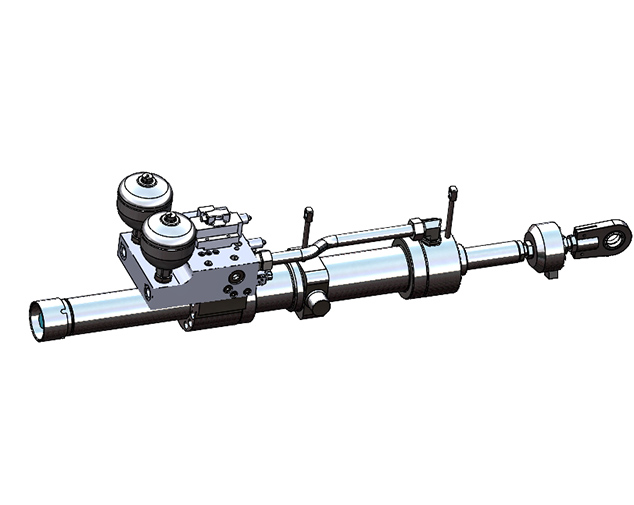
Identifying Common Servo Cylinder Failure Modes
Internal and External Leakage Issues
One of the most enduring problems when dealing with the servicing of servo cylinders involves leakage. In systems that demand performance, leakage usually falls into two categories – external or internal. External leakage may be caused by leaking seals on the piston rod and joint seals of the cylinder head, resulting in loss of oil and environmental pollution. Internal leakage happens when the fluid bypasses the seals of the pistons in such a way that it causes loss of pressure. In addressing this problem, we at Newstar use imported Parker/Simrit seals that resist pressure and heat in our products.
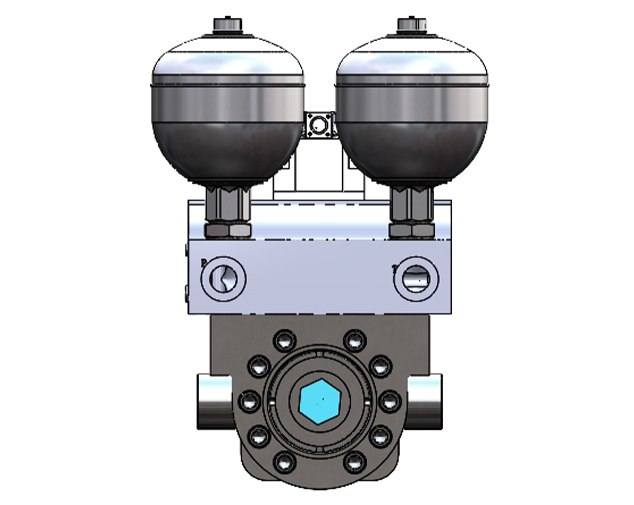
Performance Degradation from Fluid Contamination
Contamination by fluid is a common problem that often causes early failures in precision actuator mechanisms. A servo cylinder operates differently from regular hydraulic systems since it uses closed-loop feedback for accuracy in positioning and velocity. The smallest particle can harm the finely finished surfaces and servo valves, causing jerky movement or even total shutdown of the system. We utilize oil cleanliness testers during our manufacturing process to ensure that the hydraulic environment remains pristine. Contamination often accelerates the wear of seals and the inner bore, turning what should be a long life hydraulic cylinder into a liability.
Structural Fatigue from Excessive Load Shocks
In demanding situations like mining and marine constructions, cylinders have to face very large thrusts and changes in loads. In the same way, for example, our highly durable servo cylinder is supposed to cope with 35MPa working pressure and 680T maximum thrust. Nonetheless, if there is no adequate calibration to deal with structural fatigue and shocks, there will be problems in terms of distortion or cracking of the cylinder or piston rods. Structural failure due to fatigue is especially harmful for the aerospace and aviation industry, which utilizes modular actuators.
Critical Factors in Preventing System Failure
Precision Installation and Alignment Standards
The foundation of leakage prevention and mechanical longevity begins with proper installation. Misalignment during the assembly of a servo cylinder can lead to side-loading, which places uneven pressure on the seals and bearings. This uneven wear is a primary culprit for early-stage hydraulic cylinder leakage. Our manufacturing process utilizes an Intelligent Assembly Line equipped with PLC control systems to ensure that every parameter is tracked and every component is aligned with absolute precision. Proper alignment ensures that the linear motion remains smooth and that friction is minimized.
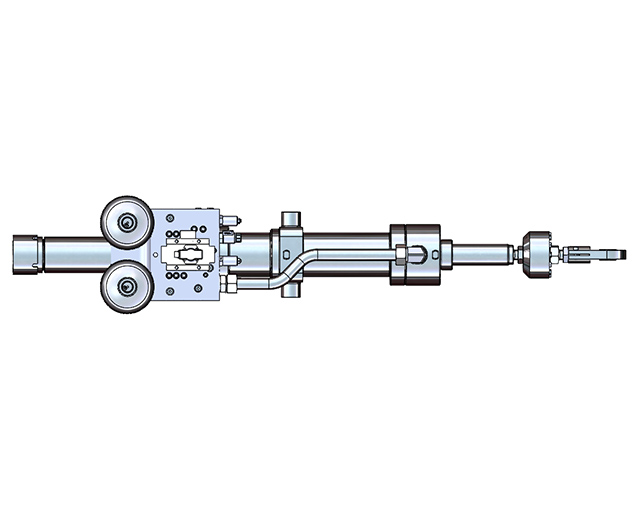
Managing Hydraulic Fluid and Filtration Quality
In order to avoid such degradation, ensuring high quality oil is a must. Proper servicing of a servo actuator should take into consideration its filtration system. The servo pump station is created to lower the number of hydraulic parts and localize them around the valve block, which will considerably minimize the risks of fluid leaks and ensure stable flow. The operation of our pumps begins and ends according to demand, thereby increasing energy efficiency and reducing heat formation that leads to fluid degradation.
Selecting High-Performance Seal Materials
The choice of materials is what distinguishes a standard actuator from a high-performance Newstar product. We utilize high-corrosion, crack-free chrome plating that has been verified by SGS to withstand over 500 hours of neutral salt spray (NSS) testing. This plating, combined with imported Parker/Simrit seals, ensures that the piston rod maintains a hardness of over 950HV.
Newstar Engineering for Maximum Durability
Rigorous Quality Control and Advanced Testing
Quality is the cornerstone of our operations at Newstar. We strictly comply with the ISO/TS 16949 Quality Management System and employ five major tools: APQP, PPAP, FMEA, SPC, and MSA. Every product, from a standard Linear cylinder to a complex Anchor thruster, undergoes a comprehensive testing regimen.
Innovative Plating and Surface Protection Technologies
We take pride in our Eco-plating Line, which initiated a “Zero-Release” mode for recycling waste gas and water. This proprietary process allows us to produce high corrosion-resistant chrome plating that fills a significant gap in the domestic market while reaching world-class standards. For applications requiring weight reduction without sacrificing strength, we offer hollow rods that reduce weight by over 30% compared to solid rods. These innovations ensure that products like our Suspension cylinder and Lifting cylinder can perform reliably in the harshest environments, such as marine or mining sites.
Proactive Maintenance for Long Service Life
Implementing Scheduled Condition Monitoring
Modern servo actuator maintenance has shifted from reactive repairs to proactive condition monitoring. At Newstar, our intelligent equipment automatically records and saves data generated during operation. This allows operators to track accumulated run-time and receive prompts when it is time for maintenance. By monitoring parameters such as breakaway pressure and internal leakage rates, users can identify signs of wear before they lead to catastrophic failure.
Optimizing Servo Actuator Maintenance Protocols
A disciplined maintenance protocol is essential for a long life hydraulic cylinder. This includes regular inspections of the electroplating piston rod for surface damage and checking the integrity of all hydraulic connections. Our Servo pump set simplifies this process with a compact structure that is easier to repair and an automatic alarm system that alerts operators to potential problems.
Conclusion
Maintaining the peak performance of a servo cylinder requires a combination of high-quality engineering and disciplined operational habits. By addressing root causes like contamination and misalignment early, industries can significantly extend equipment life and reduce downtime. Newstar remains committed to delivering world-class hydraulic solutions that withstand the toughest conditions through superior materials and rigorous ISO-certified quality control. From the precision of our Intelligent Assembly Line to the durability of our crack-free chrome plating, every detail is designed to empower your operations. Investing in the right technology today ensures the operational excellence of tomorrow.
Contact Newstar today to discover how our high-performance servo cylinder solutions can optimize your industrial operations.
FAQ
Q: What are the most common causes of servo cylinder failure?
A: The most frequent causes include hydraulic fluid contamination, seal wear due to high-pressure cycles, and mechanical misalignment during installation. Newstar addresses these risks through precision manufacturing and the use of premium imported seals.
Q: How can I prevent hydraulic cylinder leakage in high-pressure applications?
A: Leakage prevention is best achieved by using high-quality seals, such as the Parker/Simrit brands used in Newstar products, and ensuring that the piston rods have superior corrosion resistance and hardness to prevent surface scoring.
Q: How often should I perform servo actuator maintenance?
A: While schedules vary by application, servo actuator maintenance should generally include monthly fluid cleanliness checks and annual seal inspections. Newstar’s intelligent systems automatically record operation time and prompt operators when maintenance is required.