




7 Common Causes of Slave Cylinder Failure Explained
Slave cylinders are responsible for synchronized movement and precise platform leveling in hydraulic systems. Failure in this component could result in leaks, drifting, unusual vibrations, slow response, and even loss of control. Learning the reasons behind the failure of slave cylinders will prevent any accident, improve equipment life cycle, and reduce equipment maintenance costs.
Having 20+ years of experience in researching, developing, and producing hydraulic cylinders, Newstar has successfully supplied more than 200,000 hydraulic cylinders to globally recognized manufacturers. In this guide, we’ll discuss the most frequent reasons for slave cylinders’ failures, the symptoms not to be overlooked, and professional approaches to solving this problem.
Understanding the Role of the Slave Cylinder
How Slave Cylinders Enable Precision Motion
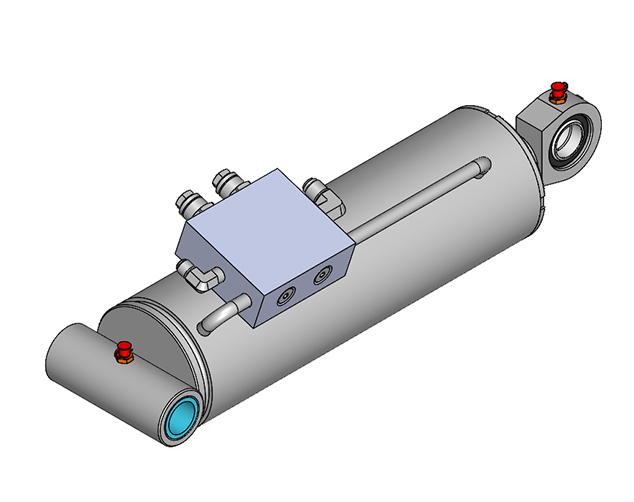
In many industrial applications, particularly in aerial work platforms and telescopic boom trucks, the slave cylinder works in perfect tandem with a master cylinder. This “master-slave” relationship is what allows for the precise leveling of a platform as the boom moves. At Newstar, our slave cylinder is engineered for a bore range of 50-105mm and a rod range of 30-70mm, specifically designed to provide the smooth, synchronized response required for carrying personnel or delicate equipment safely.
Impact of Failure on Operational Safety
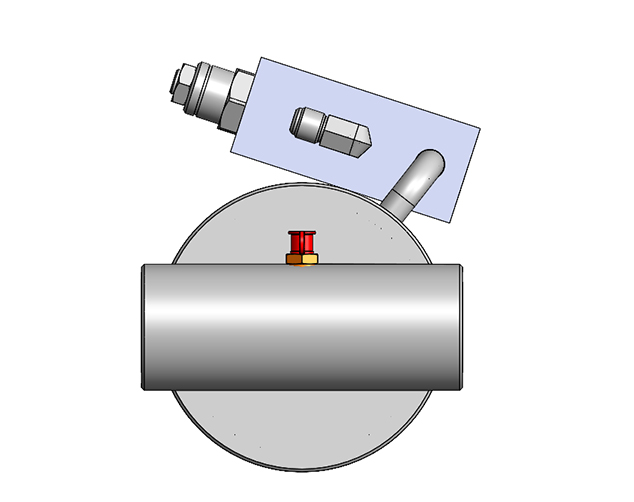
When a slave cylinder failure occurs, the immediate result is often a loss of stability. Instead of a smooth leveling action, the operator may experience shaking or abnormal noises. For a professional manufacturer like us, safety is the primary concern. A failing cylinder doesn’t just increase maintenance costs; it compromises the trust your operators have in their equipment.
7 Common Causes of Slave Cylinder Failure
Hydraulic Cylinder Leaking and Fluid Loss
One of the most visible slave cylinder problems is external leakage. This often occurs at the rod seal or the head gland. However, internal hydraulic cylinder leaking—where fluid bypasses the piston seal inside the barrel—can be even more insidious. It leads to “drifting,” where the platform fails to hold its position. Newstar addresses this by designing our cylinders to withstand an operating pressure of 21MPa, ensuring the structural integrity of every seal seat and connection point.
Premature Hydraulic Seal Failure
The sealing system is one of the most critical components of a hydraulic cylinder. Hydraulic seal failure is frequently caused by extreme temperatures or pressure spikes that exceed the seal’s material limits. To combat this, Newstar utilizes imported Parker/Simrit seals known for superior pressure and temperature resistance. By using premium materials, we ensure that our slave cylinder maintains its seal even under the most grueling heavy-duty tasks.
Air Entry into the Hydraulic System
If the hydraulic system shows unstable or delayed movement, air may have entered the system. This entry of air may occur either because of leaks in worn-out seals or because of an incorrect procedure for changing fluids. Effective cylinder troubleshooting requires bleeding the system, but preventing air entry starts with precision manufacturing.
Corrosive Damage to Piston Rods
For machines that operate in a mine environment or at sea, corrosion is an enemy. The pitted or corroded piston rod destroys the seals whenever they come out of the cylinder. We solve this by applying a proprietary high corrosion-resistant and crack-free double chromium coating. Our plating exceeds 500 hours in Neutral Salt Spray (NSS) tests, providing a surface hardness of over 950HV, which is far superior to traditional coatings.
Mechanical Overloading and Structural Stress
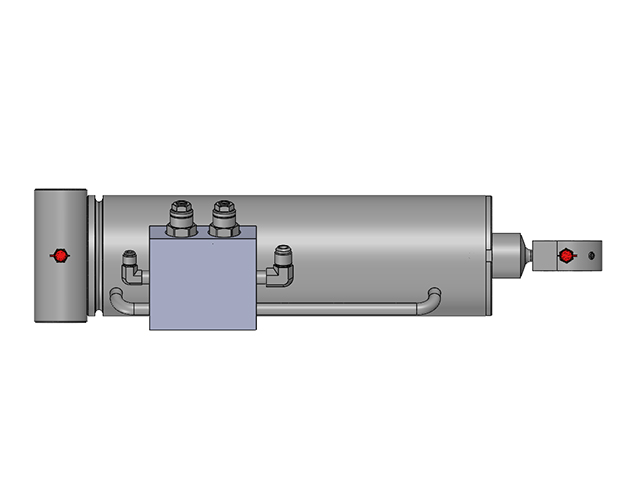
Every cylinder has a limit. Our slave cylinder is engineered for a maximum thrust of up to 18T. Excessive loading may result in bent rods, barrel deformation, or structural fatigue. Overloading not only causes immediate slave cylinder failure but also creates structural stress that leads to fatigue over time. We recommend strictly adhering to the load charts of your specific equipment model to protect the hydraulic integrity.
Fluid Contamination and Abrasive Wear
Hydraulic fluid must remain pristine to function correctly. Microscopic particles can act like sandpaper, scouring the internal bore and the piston rod. To ensure our customers start with the best possible performance, Newstar utilizes oil cleanliness testers during the manufacturing process. We also recommend regular fluid filtration and analysis to prevent abrasive wear from shortening the lifespan of your linear cylinder or servo cylinder .
Misalignment and Mounting Issues
Side-loading—where force is applied at an angle rather than along the cylinder’s axis—is a major cause of premature wear on bearings and seals. This is often caused by improper mounting or worn bushings. At Newstar, we use three-dimensional coordinate machines and ultrasonic flaw detectors to ensure that every cylinder we manufacture meets exact dimensional specifications, minimizing the risk of misalignment from the factory.
Proactive Solutions for Extending Cylinder Lifespan
Implementing a Regular Maintenance Schedule
The key method for minimizing the cost of maintenance is the early detection of any malfunction that would result in total breakage. These include checking for signs of leakage, making sure there are no abnormal sounds, and keeping the rod clean. Due to the high level of control of the entire lifecycle process of our products, Newstar is capable of offering a global 7×24 emergency maintenance system.
Choosing the Right Hydraulic Fluid
It is important to know that not all hydraulic oils are the same. Hydraulic fluid should be selected based on seal compatibility and operating conditions.The best oil will help ensure consistent viscosity, which will allow cylinders to perform well.
Why Newstar Quality Eliminates Failure Risks
Intelligent Testing and Zero-Defect Manufacturing
We believe that quality begins with the design, but is proven in the testing lab. Newstar’s Intelligent Test Station uses servo motors and sensors with closed-loop control to test breakaway pressure, stroke, and both internal and external leakage. We ensure that every slave cylinder leaving our plant is ready for the most demanding applications.
Advanced Materials and Eco-Plating Technology
Newstar combines environmental responsibility with high-performance manufacturing technology. The Eco-plating line achieves a zero-discharge manufacturing process, while at the same time providing us with top quality chrome plating. It means that components such as our extension cylinder, jib cylinder, and lift cylinder can withstand even the toughest conditions of industry thanks to our innovative methods of treatment.
Conclusion
Failure of slave cylinders is not just a simple maintenance problem; it has implications for safety, efficiency, and reliability. Issues like leaking, seal damage, fluid contamination, corrosion, alignment issues, and overloading may contribute to decreased service life and eventually become sources of downtime when not addressed.
However, with appropriate preventative maintenance practices and the use of high-grade hydraulic parts together with an experienced hydraulic cylinder supplier, many of these issues can be mitigated, making the machinery perform effectively under even the most challenging conditions.
At Newstar, we integrate modern engineering concepts, smart test devices, superior seal technology, and enhanced corrosion protection coatings in order to provide you with the most durable, efficient, and reliable hydraulic cylinders that can work in the most difficult environments. Don’t let hydraulic failure halt your operations. Contact Newstar today to discuss customized, high-performance slave cylinder solutions for your next project.
FAQ
Q: What are the most common symptoms of a failing slave cylinder?
A: The most frequent signs of slave cylinder failure include visible hydraulic cylinder leaking, a noticeable drop in fluid levels, “spongy” or unresponsive control, and abnormal noises during operation. In aerial platforms, you may notice the basket failing to remain level during boom movements.
Q: How does air get into the slave cylinder system?
A: Air usually enters through worn-out seals, loose fittings, or during fluid changes if the system isn’t properly bled. This leads to erratic motion and can eventually cause cavitation damage if not addressed through professional cylinder troubleshooting.
Q: What makes Newstar cylinders more resistant to failure than standard models?
A: Newstar utilizes imported high-end Parker/Simrit seals, proprietary high-corrosion-resistant plating and leakage testing on intelligent test stations to ensure every unit exceeds industry standards for durability and safety. Additionally, our products are backed by PICC liability coverage for added customer protection.