




Separator Clutch Cylinder Failure: Causes & Prevention Guide
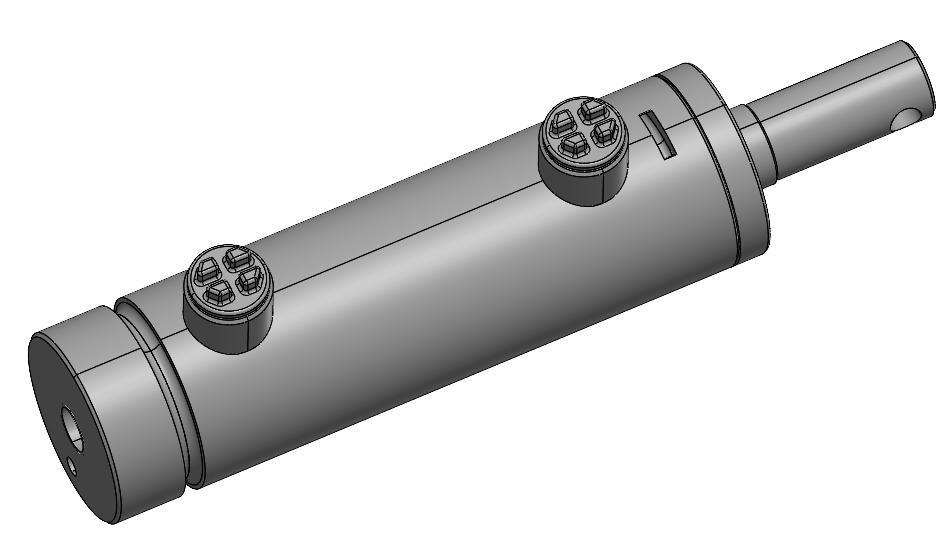
The start of the harvest season means a lot for agricultural machinery OEMs, repair teams, and farmers. In today’s farming world, keeping machines running in the field is the top goal. When heavy equipment works under tough conditions, even a small weak spot can ruin a whole schedule. The clutch actuation system plays a critical role in power transmission. This system uses a specialized Separator Clutch Cylinder to handle clutch engagement and disengagement. As a professional hydraulic cylinder manufacturer focused on high-performance parts, we at Newstar manufacture reliable hydraulic cylinder solutions for these high-stress jobs. Our quality line of agricultural cylinders helps maximize equipment uptime.
Why Separator Clutch Cylinders Fail in Ag-Machinery
Hydraulic Clutch Cylinder Leaking and Seal Degradation
Farming fields put heavy machines through rough environments. They face sharp crop dust, dirt, and fast temperature changes. Conventional sealing materials often fail against these tiny, harsh particles. Over many hours of work, abrasive contaminants penetrate the sealing system. This creates small scratches on the inner rod surface. When seals break down or get hard from high heat, oil starts to leak out. A hydraulic clutch cylinder leaking on the inside causes pressure to drop. This means the part cannot maintain sufficient hydraulic pressure for clutch disengagement. Eventually, this leads to a hydraulic system failure when the harvest window is tight.
Piston Stiction and Internal Scoring
Heavy loads and dirty oil often create another common trouble: piston sticking and bore scratches. When hydraulic oil carries small metal bits or field dirt, it acts like sandpaper. These abrasive particles accelerate wear between the inner wall and the moving piston. Over time, this causes uneven friction and mechanical jamming. This damage disrupts normal hydraulic fluid flow. It restricts piston movement and leads to serious separator clutch cylinder problems.
Insufficient Operating Pressure and Disengagement Issues
When users find a hydraulic clutch cylinder not disengaging, the cause is usually a drop in oil pressure or metal fatigue from too much stress. Farm machines need high pressure to pull apart heavy clutch plates. Oil leaks past the seals inside the bore, or internal leakage develops or hydraulic pressure becomes insufficient. Without sufficient hydraulic pressure, the clutch plates stay partly engaged. This creates heavy drag and makes the parts generate excessive heat.
Critical Warning Signs Every Operator Should Watch For
Spongy Clutch Performance or Delayed Engagement
One of the first clues of an upcoming hydraulic cylinder failure is a spongy feel in the clutch pedal. You might also notice a delay when the machine tries to move. This often happens because air is stuck in the lines or oil is leaking internally. If a tractor or combine harvester takes too long to engage or disengage the transmission, the internal seals are likely failing.
Visible Oil Stains and Fluid Drops
Checking your machines every day is the best way to find trouble early. If you see oil under the transmission or a wet film on the cylinder shaft, the seal has failed. Fixing a hydraulic clutch cylinder leaking right away protects other expensive parts from oil damage. It also stops a total loss of system pressure.
Unusual Noises During Clutch Separation
If you hear grinding, high-pitched whining, or loud rattling when the clutch moves, the parts inside are likely worn out. These sounds mean the clutch plates are not fully pulling apart. This forces metal parts to hit each other at high speeds. If you ignore this sign, it usually leads to a major break that requires a full separator clutch cylinder replacement.
The Newstar Edge: Engineering Ultra-Reliable Cylinders
Premium Seals and Precision Machining
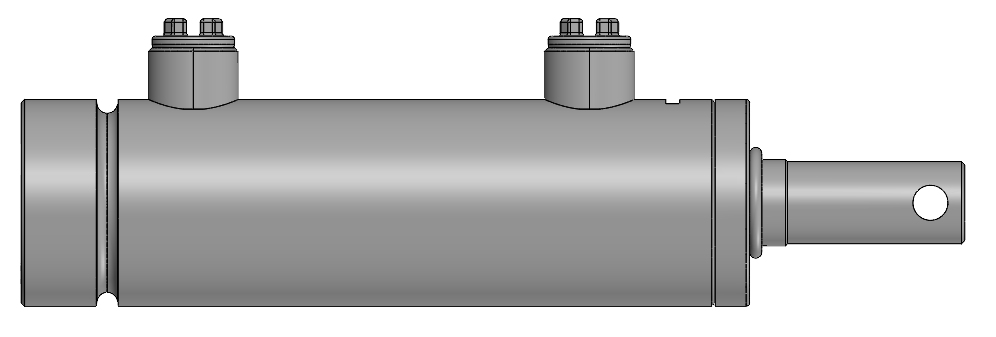
At Newstar, we manufacture hydraulic cylinders specifically designed for agricultural machinery. Our Separator Clutch Cylinder series is made from high-strength steel on modern production lines. We use high-performance sealing systems selected for demanding agricultural applications, helping maintain reliable sealing performance under high pressure and harsh operating conditions. Newstar offers customized bore diameters, rod diameters, and stroke lengths based on customer specifications.
Proprietary High-Corrosion Eco-Plating Technology
To stop rust and keep seals working longer, Newstar uses a modern, eco-friendly plating process. Our rod coating is very hard, reaching over 950HV. This layer passes a 500-hour salt spray test without showing any rust. This smooth finish cuts down on friction and keeps the seals from wearing out too soon. It helps the cylinder last much longer in the field.
World-Class ISO Quality Control Systems
We check quality at every step of our work. Our manufacturing follows strict ISO quality management systems and comprehensive inspection procedures. Our plant has smart testing tools where each agricultural hydraulic cylinder goes through high-pressure checks. We also look for tiny leaks. This strict testing means every cylinder delivers reliable hydraulic performance and works safely every time.
Best Practices for Hydraulic Cylinder Maintenance
Routine Fluid Cleanliness and Filtration Management
Regular hydraulic cylinder maintenance is the best way to stop sudden downtime. Since agricultural operating environments contain significant levels of dust and contaminants, keeping the oil clean is a must. Change your hydraulic filters based on the manual and check the oil often. Keeping grit out of the oil helps your tractor clutch cylinder and combine harvester clutch cylinder last a lot longer.
Proper Rod Inspection and Storage Techniques
Before you put machines away for the winter, clean the cylinder rods well. Look for any rust spots or dirt. If the cylinders stay extended while sitting, put a layer of protective grease on the chrome. This stops moisture from causing rust pits. It ensures the rods don’t rip the seals when you start work next season.
Conclusion
Knowing why a separator clutch cylinder failure happens helps you fix minor faults before they become big, costly disasters. Regular care and spotting leaks early can save a lot of money during the harvest. Choosing an OEM hydraulic cylinder manufacturer you can trust, like Newstar, ensures your machines have tough and reliable parts. Our high standards keep your tractors and harvesters operating reliably when you need them most.
Do you need a reliable OEM separator clutch cylinder supplier for your fleet or factory? Reach out to the experts at Newstar today to learn about our high-quality hydraulic parts for farming.
FAQ
Q: What are the main causes of separator clutch cylinder failure in combine harvesters?
A: Most failures come from worn seals due to dust and heat, dirty oil that scratches the piston, and metal fatigue from high-pressure work during the harvest.
Q: How can I tell if my tractor clutch cylinder needs replacement?
A: Look for oil leaks near the rod, a soft clutch pedal, or a system that won’t let the clutch pull apart. These mean a separator clutch cylinder replacement is likely needed.
Q: Why is my agricultural hydraulic clutch cylinder leaking fluid?
A: Leaks usually happen because internal seals get hard or torn from dirt and high heat. This breaks the tight seal needed to hold pressure.